Coachella 2006
Coachella 2006 was my first music festival as a photographer. I had no portfolio, no track record, and no reason to think anyone would say yes.
A few months earlier, I reached out to Goldenvoice with an idea to shoot VR content at the festival—something I had never seen done at a music festival before. I figured it might be enough to get my foot in the door. The previous summer, while studying photography in Montana, I had somehow managed to get photo passes for Pearl Jam and Ben Harper. Those two shows changed the direction of my life. I wanted to build a portfolio of music photography as quickly as possible, and music festivals felt like the fastest way to do it. There were only a handful of major festivals in 2006, and I cold-pitched one of the biggest in the country. To my surprise, they said yes.
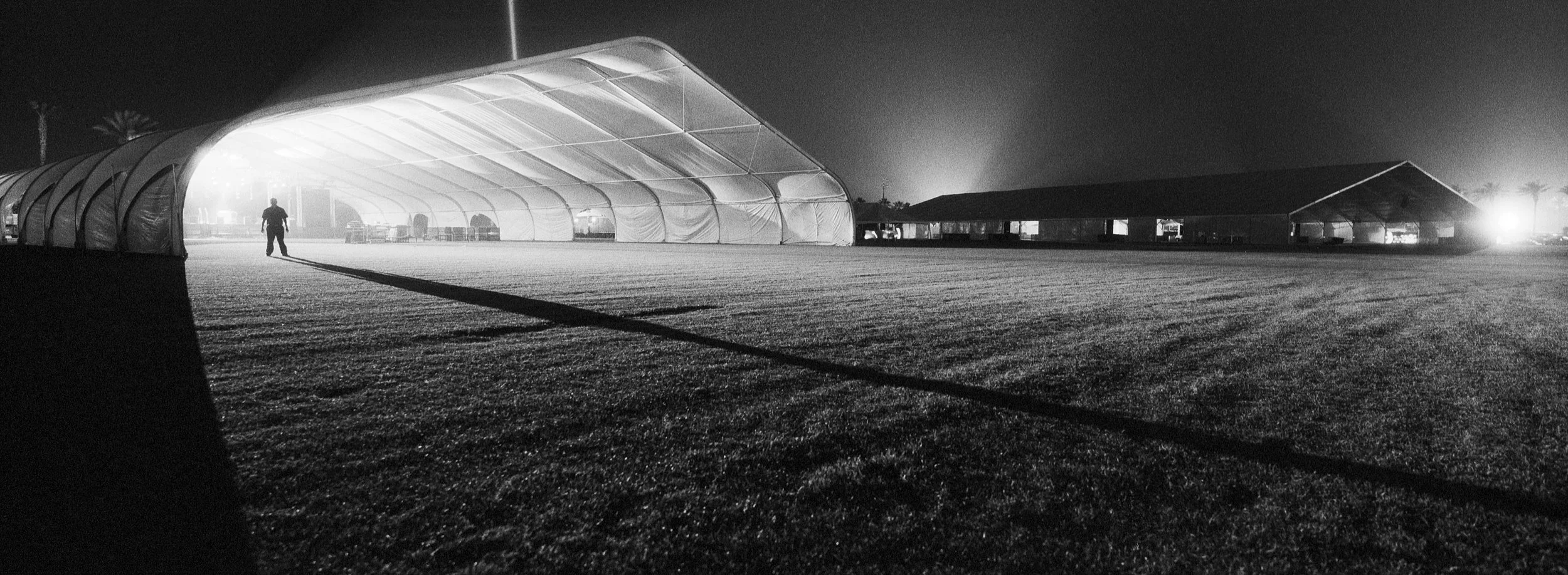
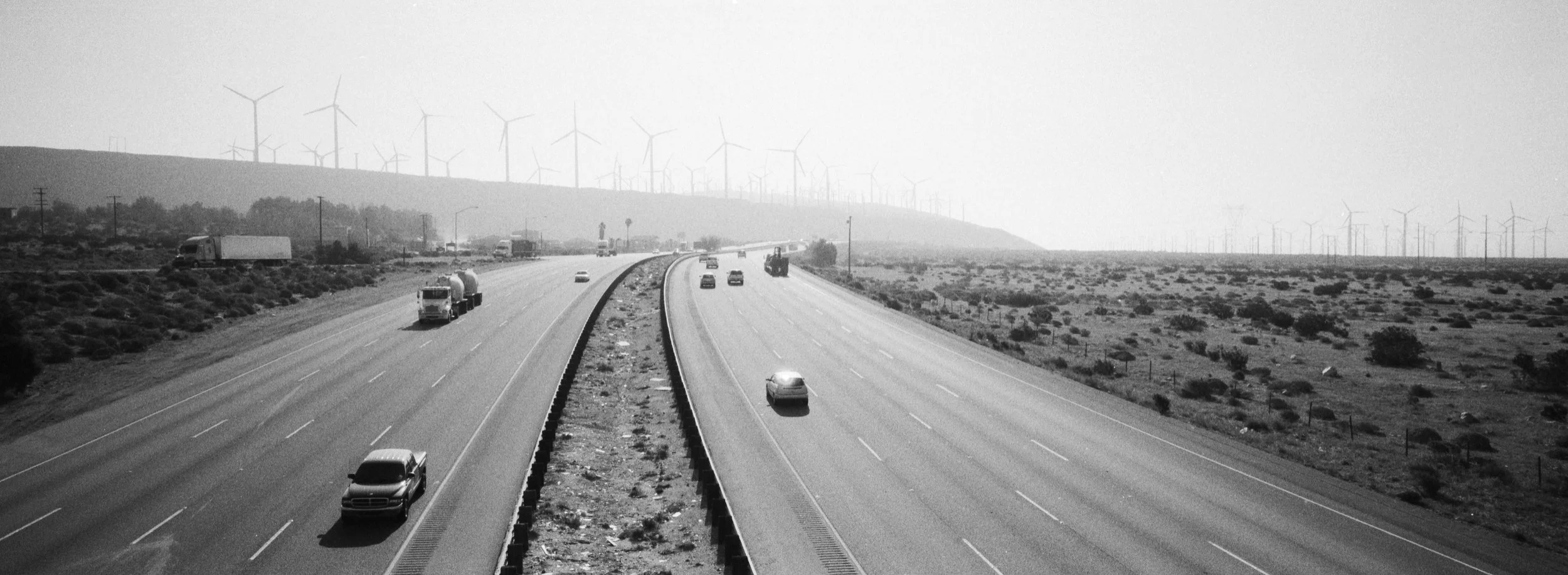
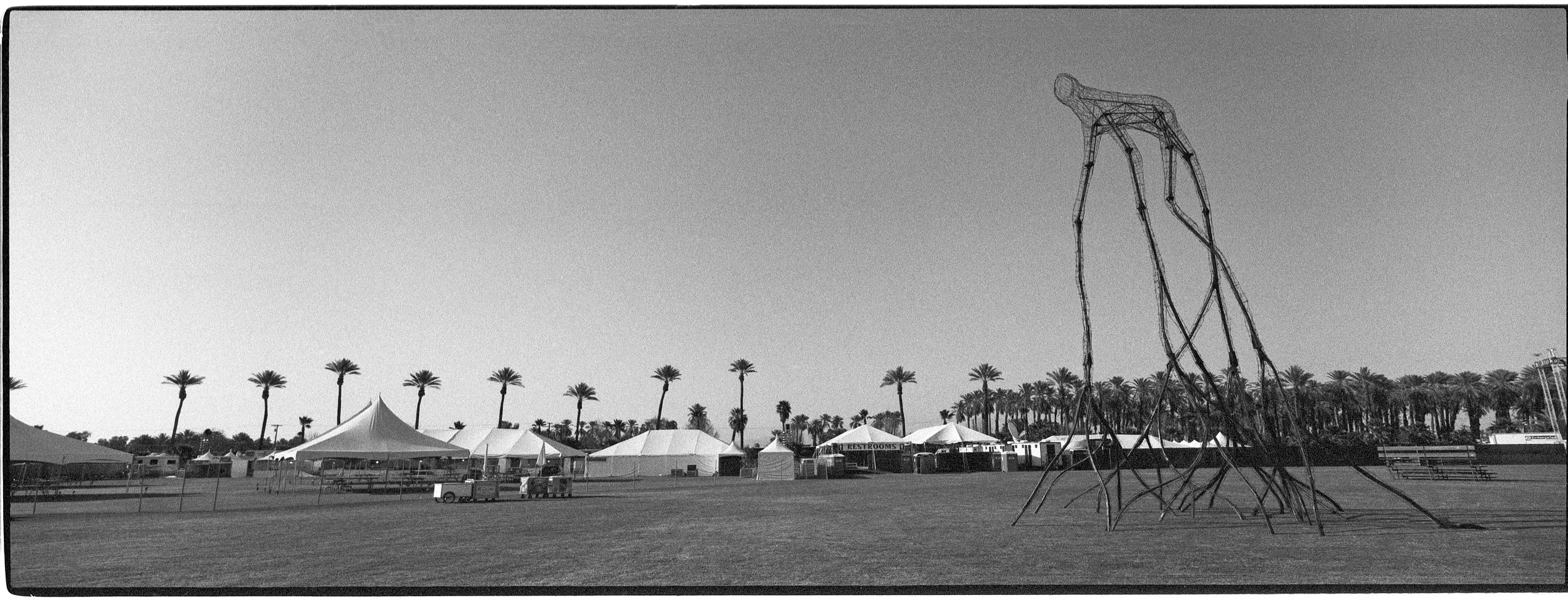
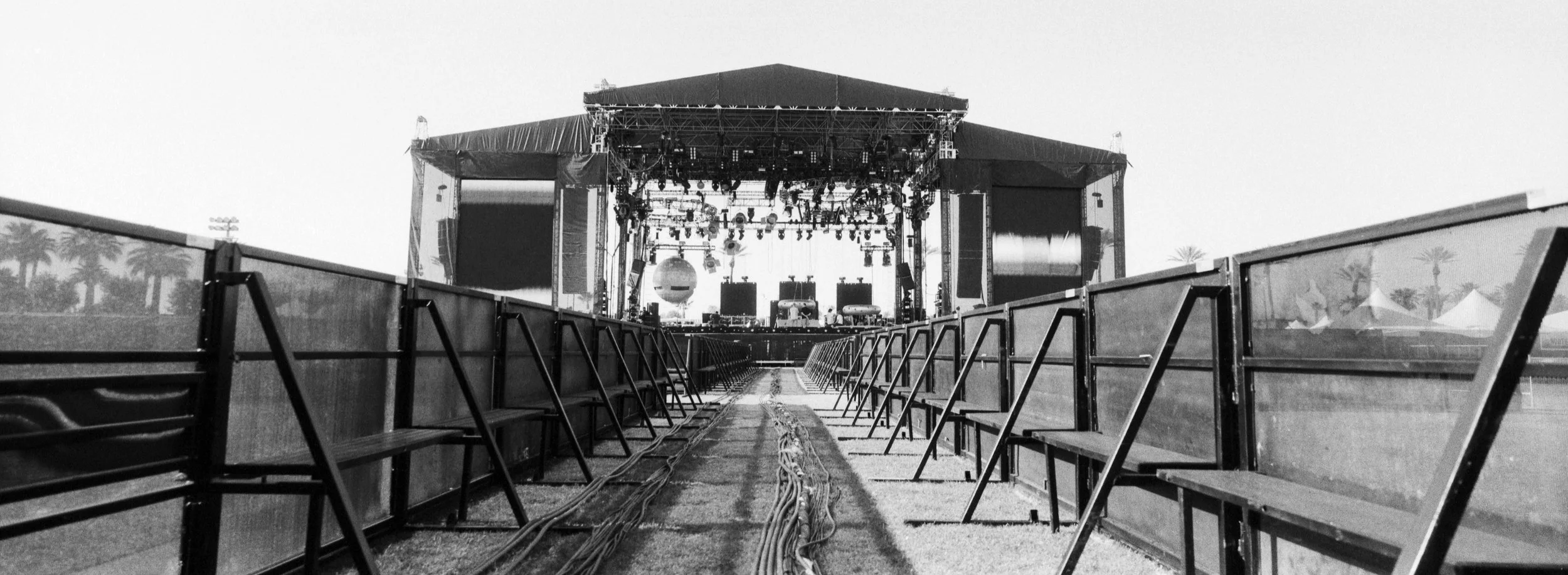
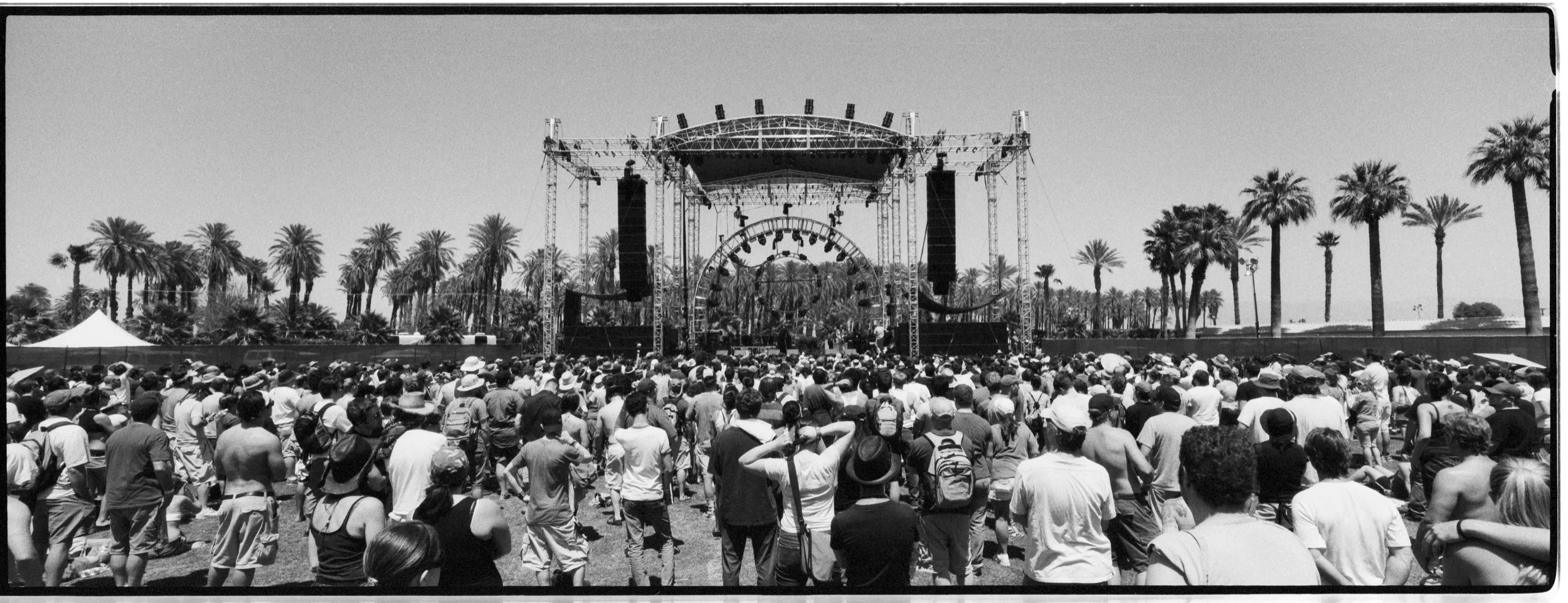
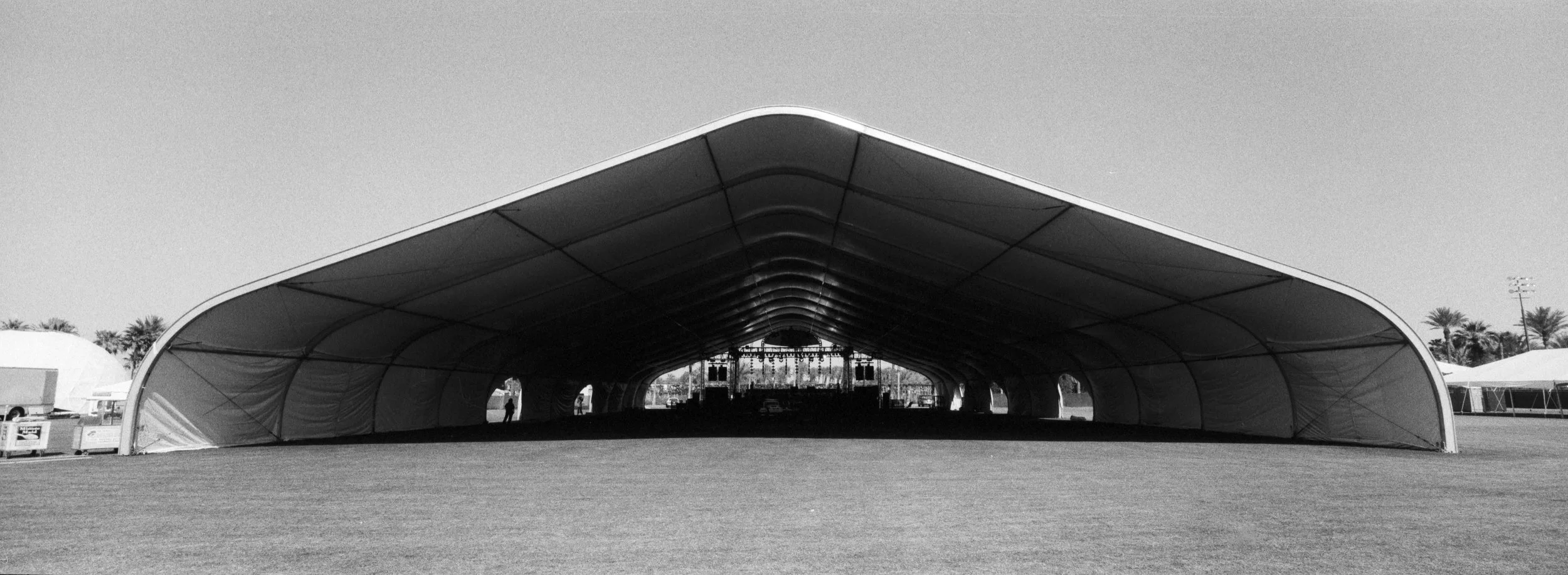
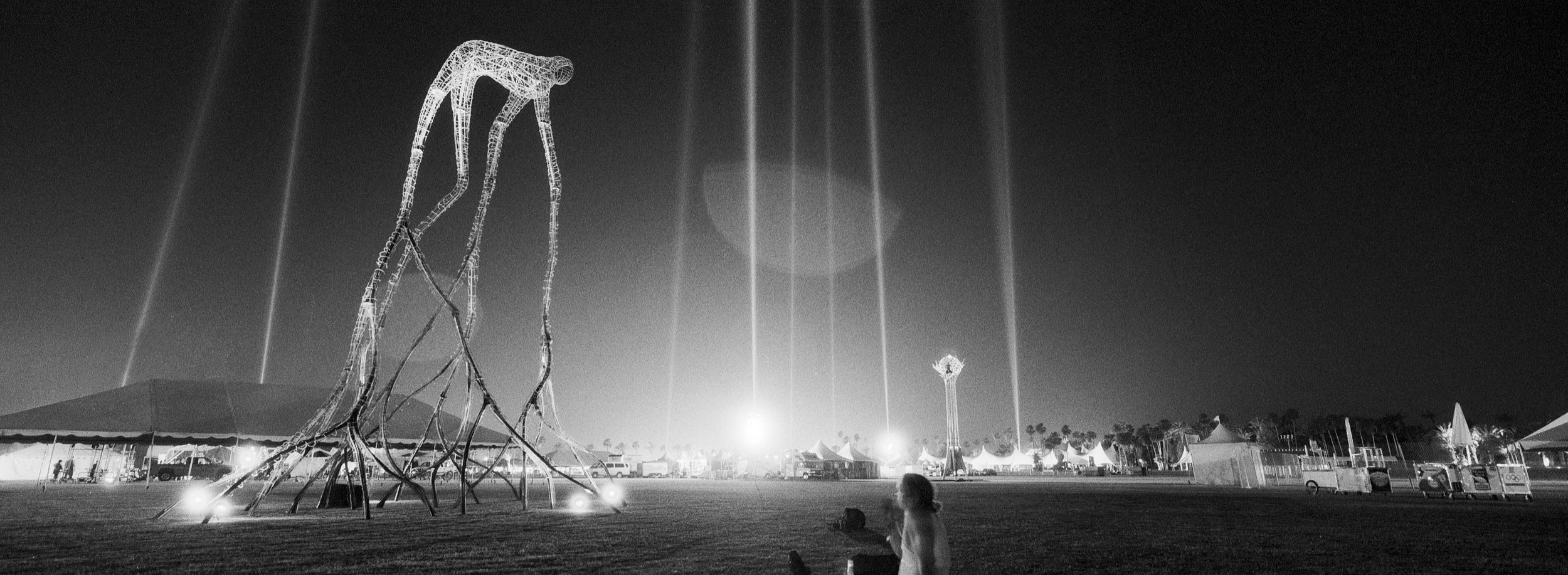
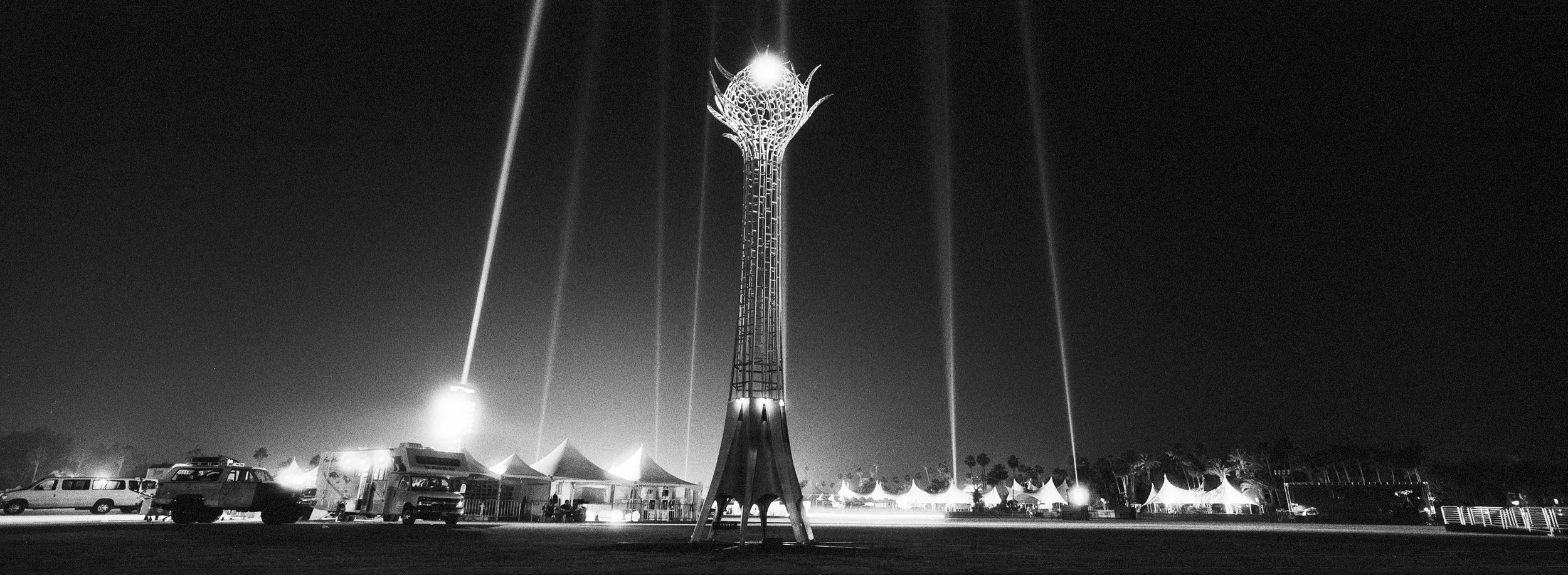
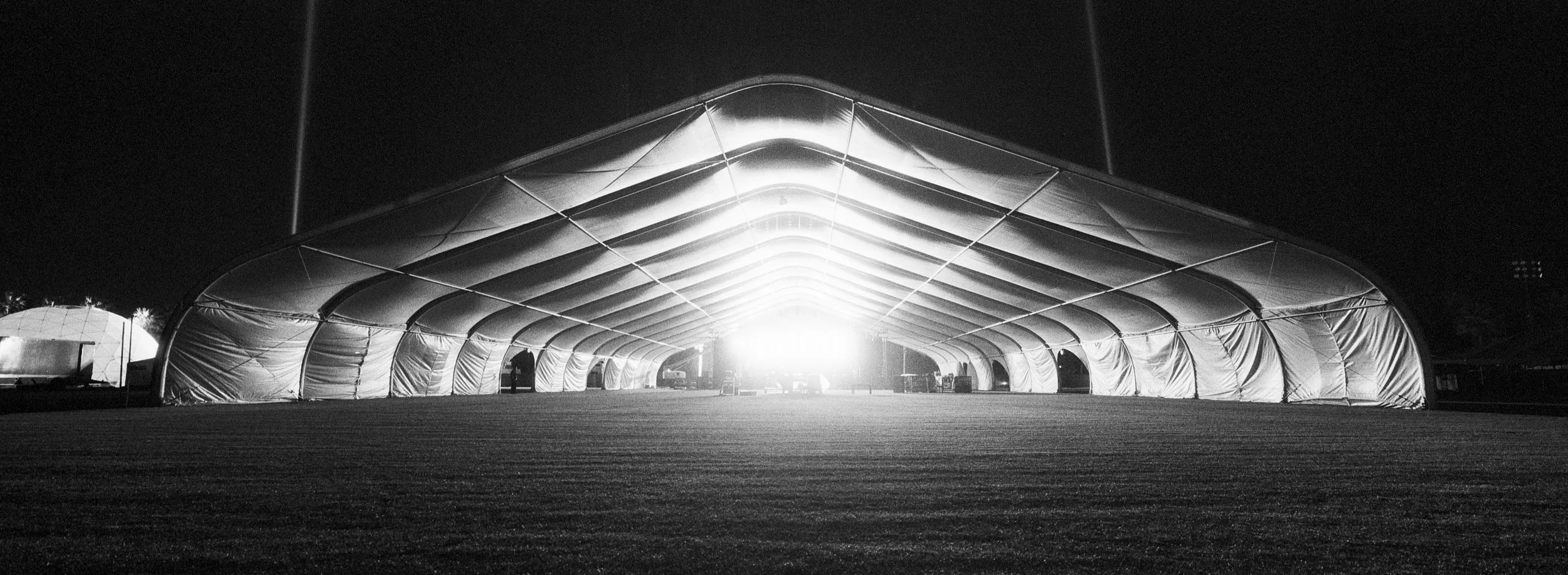
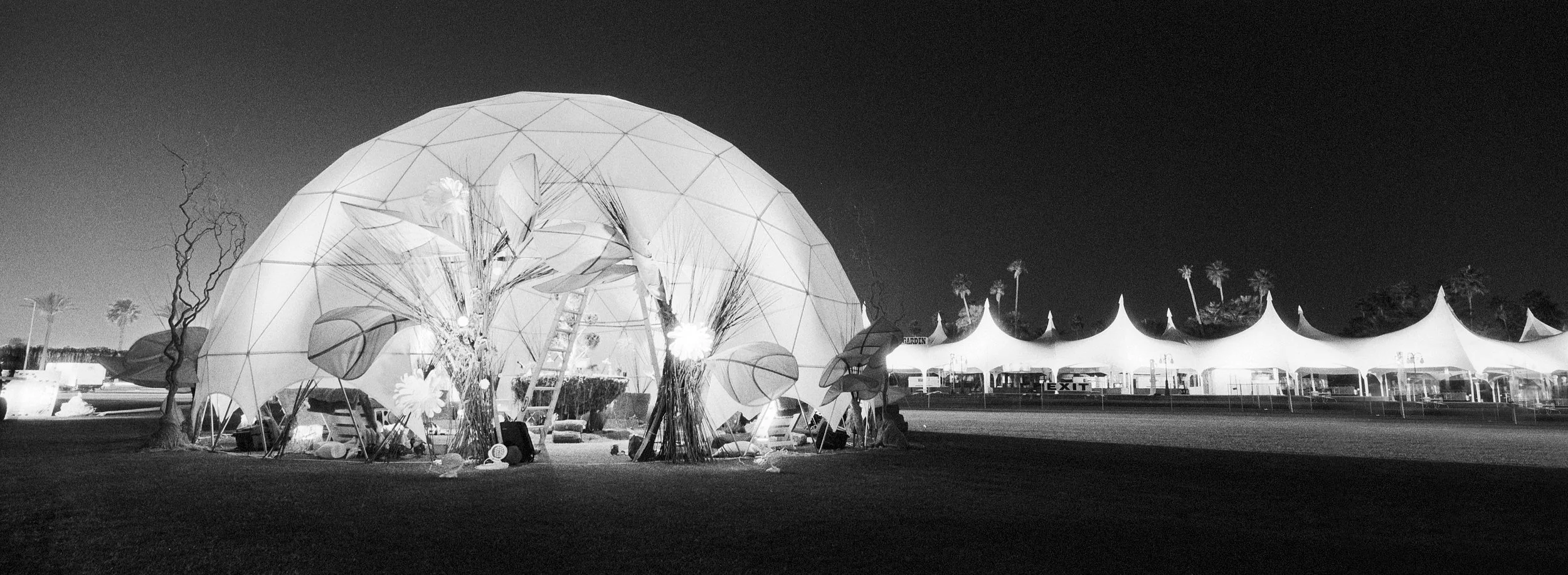
I arrived at the Empire Polo Field the day before the festival opened. The grounds were mostly empty. Quiet and surreal—the desert stretching toward the mountains, empty stages rising from the grass, crews making final adjustments before tens of thousands of people would arrive. I had my Nikon F100, a bag full of film, and, almost as an afterthought, a rented Hasselblad XPan that I had first discovered while I was a student in Montana.
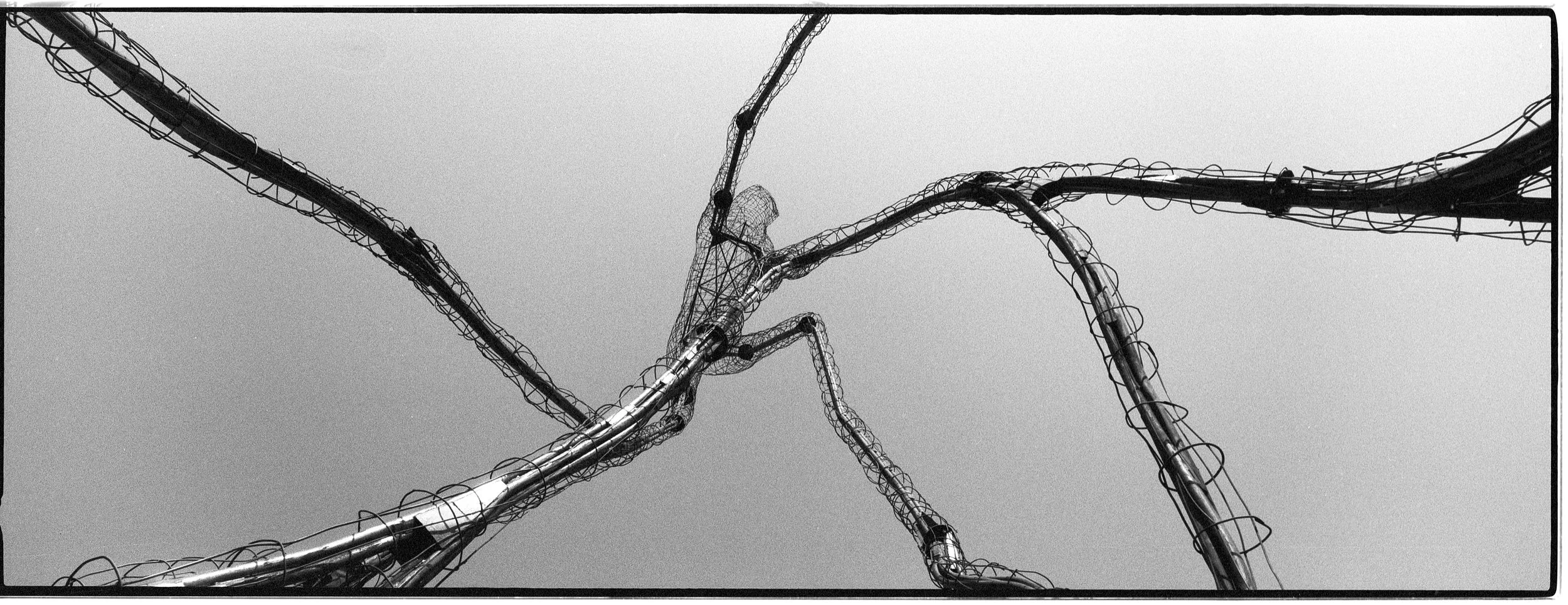
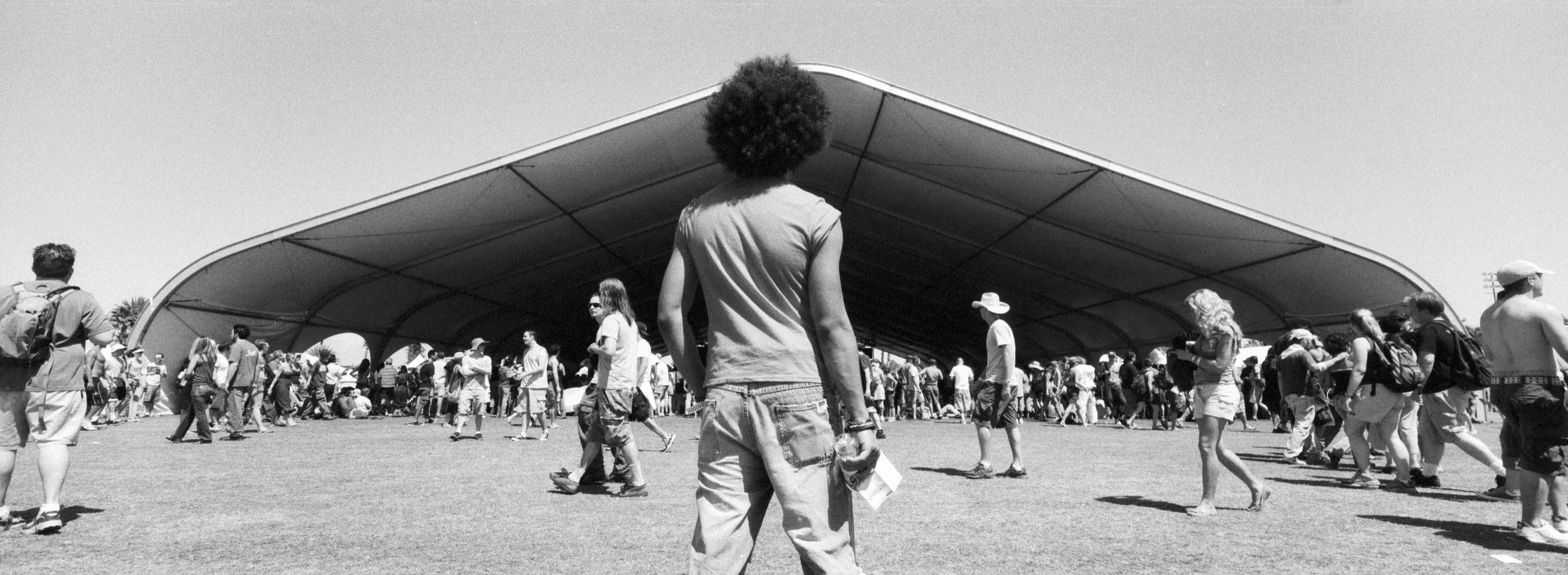
The XPan changed the way I saw the festival before it had even begun. Its panoramic frame slowed me down. Instead of looking for isolated moments, I found myself paying attention to the relationship between the landscape, the stages, the art installations, and the people quietly preparing everything behind the scenes. The emptiness of Thursday afternoon became part of the story. Those black-and-white panoramic photographs remain some of my favorite images I've ever made.
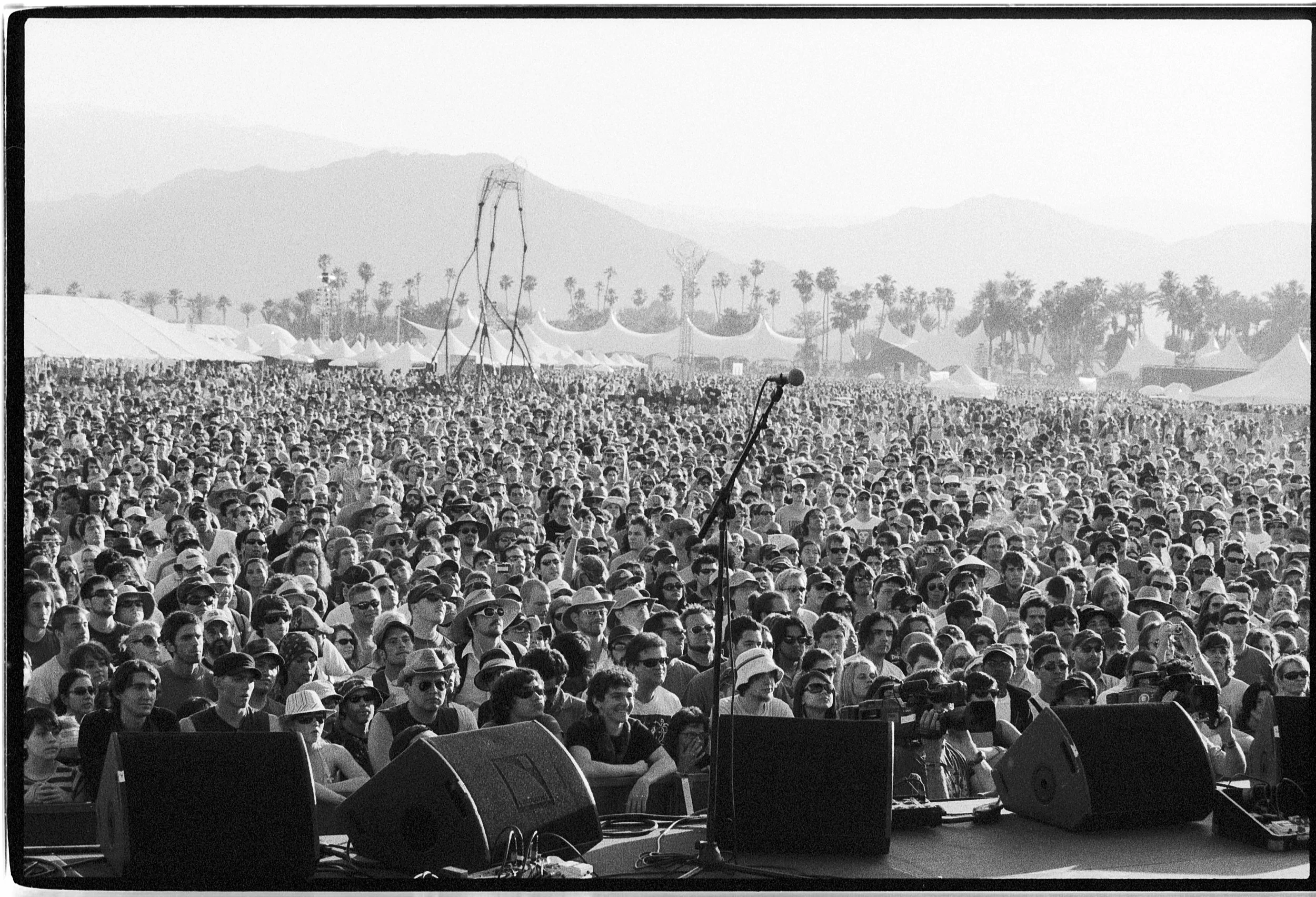
The festival that followed felt very different from the Coachella that exists today. There were no smartphones, no influencers, no celebrity sightings being documented in real time. What I remember most, beyond the music, was the scale of the art. Massive installations rose from the polo fields and dwarfed everything around them—the crowds, the stages, even the desert itself. They weren't decorations. They were environments.
It was the first time I realized that what interested me wasn't just the musicians. I was photographing temporary cities—places built from nothing, inhabited for a few days, and then gone without a trace. Long before I understood it consciously, that became the thread running through nearly all of my festival work. Looking back, the XPan was the perfect camera for that story.
There were incredible performances all weekend—Depeche Mode, Tool, Sigur Rós, Yeah Yeah Yeahs, Wolfmother, and My Morning Jacket—but one has become part of music history.
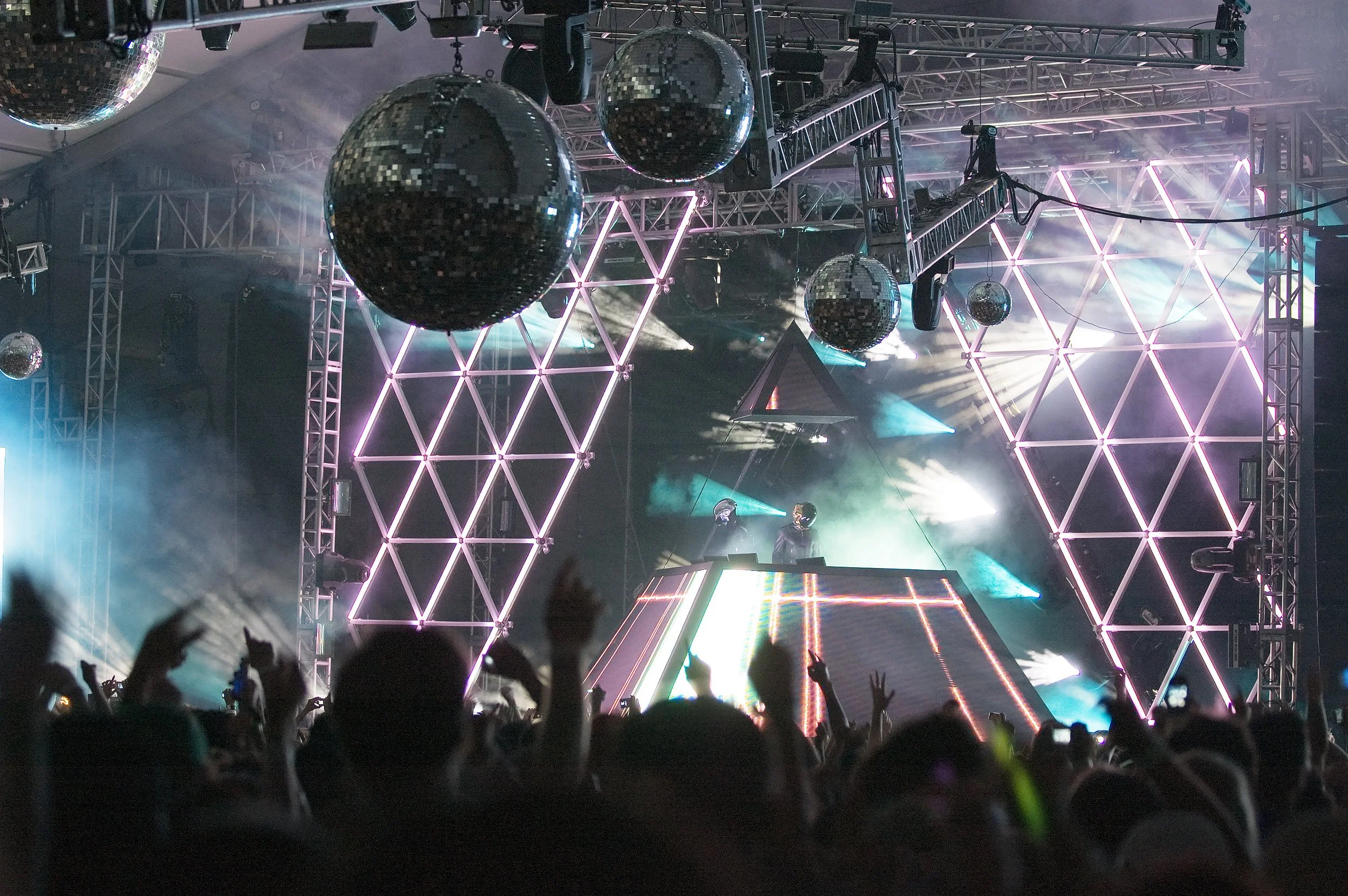
Daft Punk debuted their now-legendary pyramid stage inside the Sahara Tent, a space built for maybe 10,000 people. Nearly 40,000 tried to get in. I arrived after photographing Depeche Mode and managed to catch only part of the set from the side of the stage. By then, the crowd had become almost impossible to move through. Even from where I stood, it was obvious that something extraordinary was happening. The pyramid, the lights, the energy inside that tent—it felt less like a concert and more like witnessing the future of live performance. It remains one of the most unforgettable shows I've ever seen.
At the time, I wasn't thinking about building an archive or spending the next twenty years photographing music festivals. I was simply trying to prove to myself that I belonged there.
Twenty years later, I can trace almost everything back to that weekend. It was the weekend a door opened. Not because I made my best photographs, but because I realized what I wanted to spend my life photographing. The XPan never left my camera bag after that. Music festivals became far more than concerts to me—they became temporary worlds worth documenting before they disappeared.
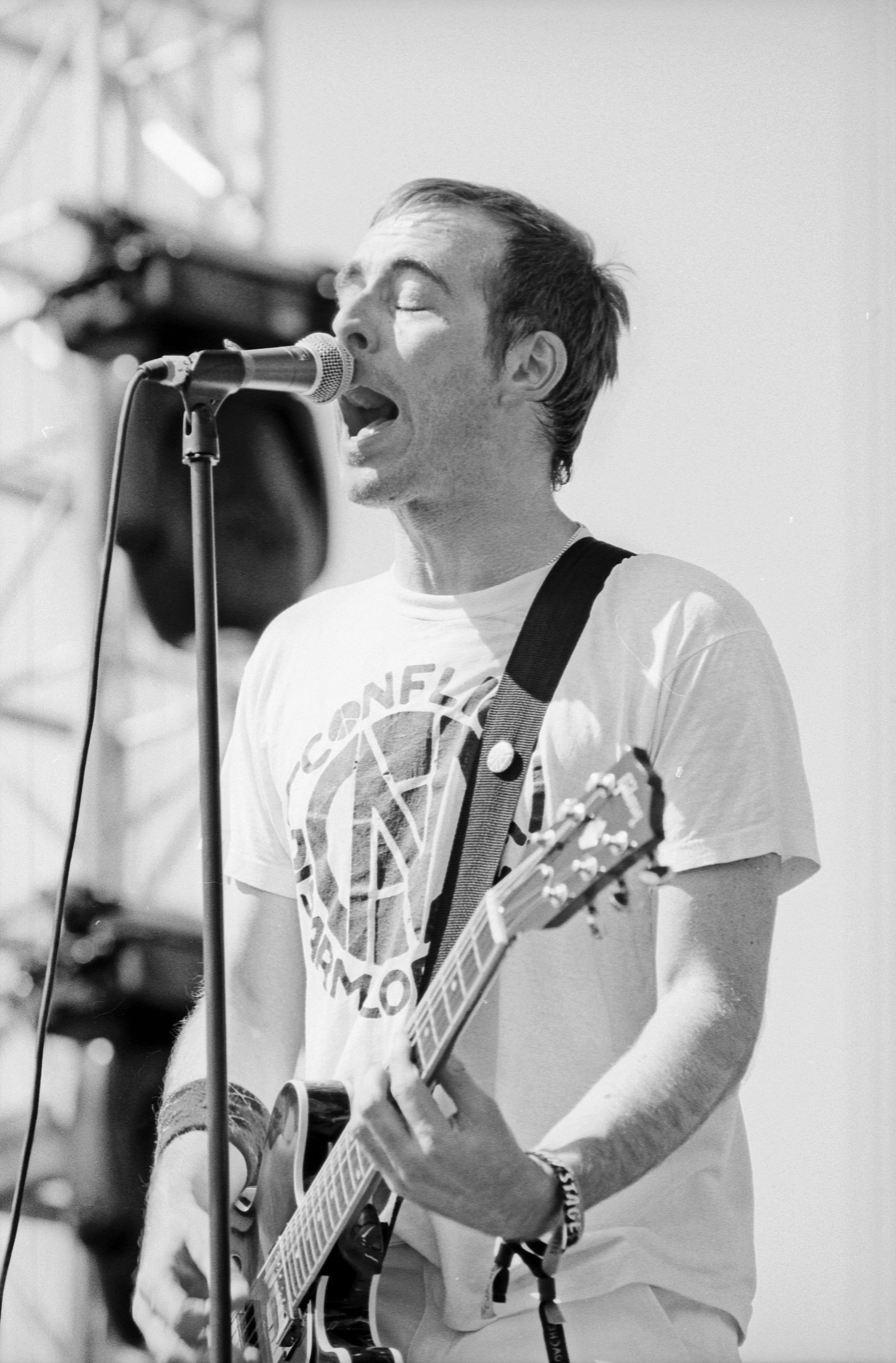
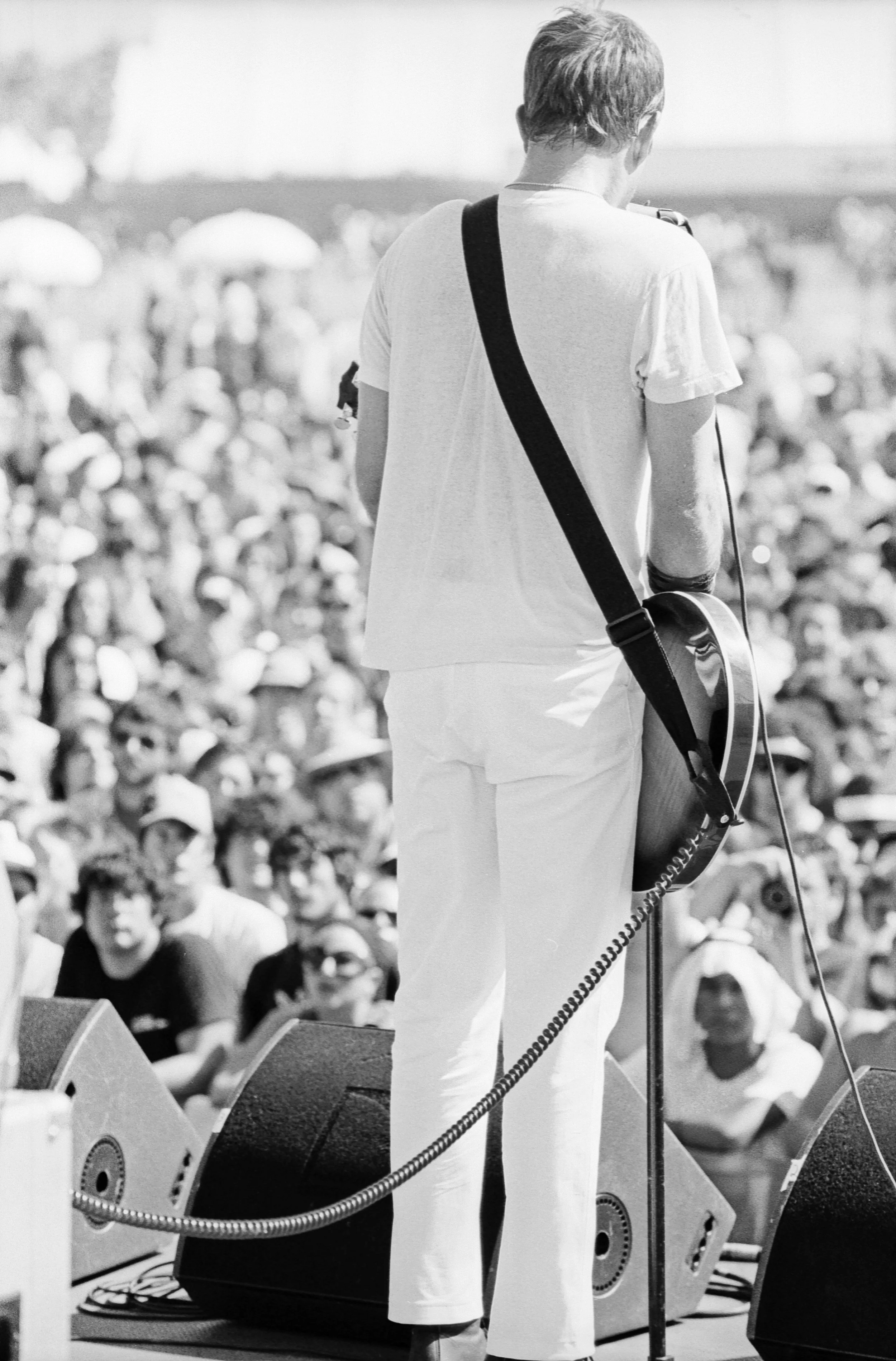
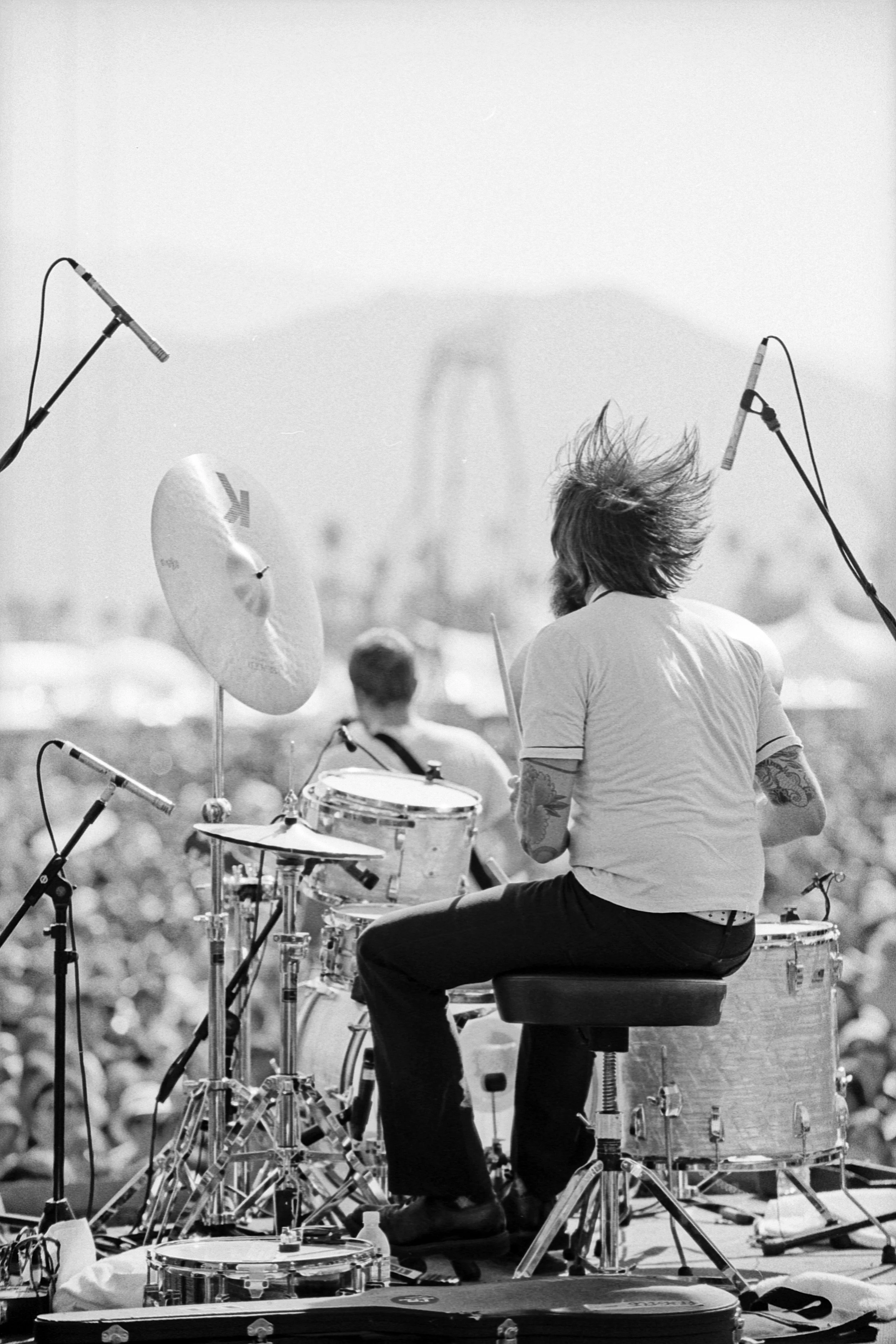
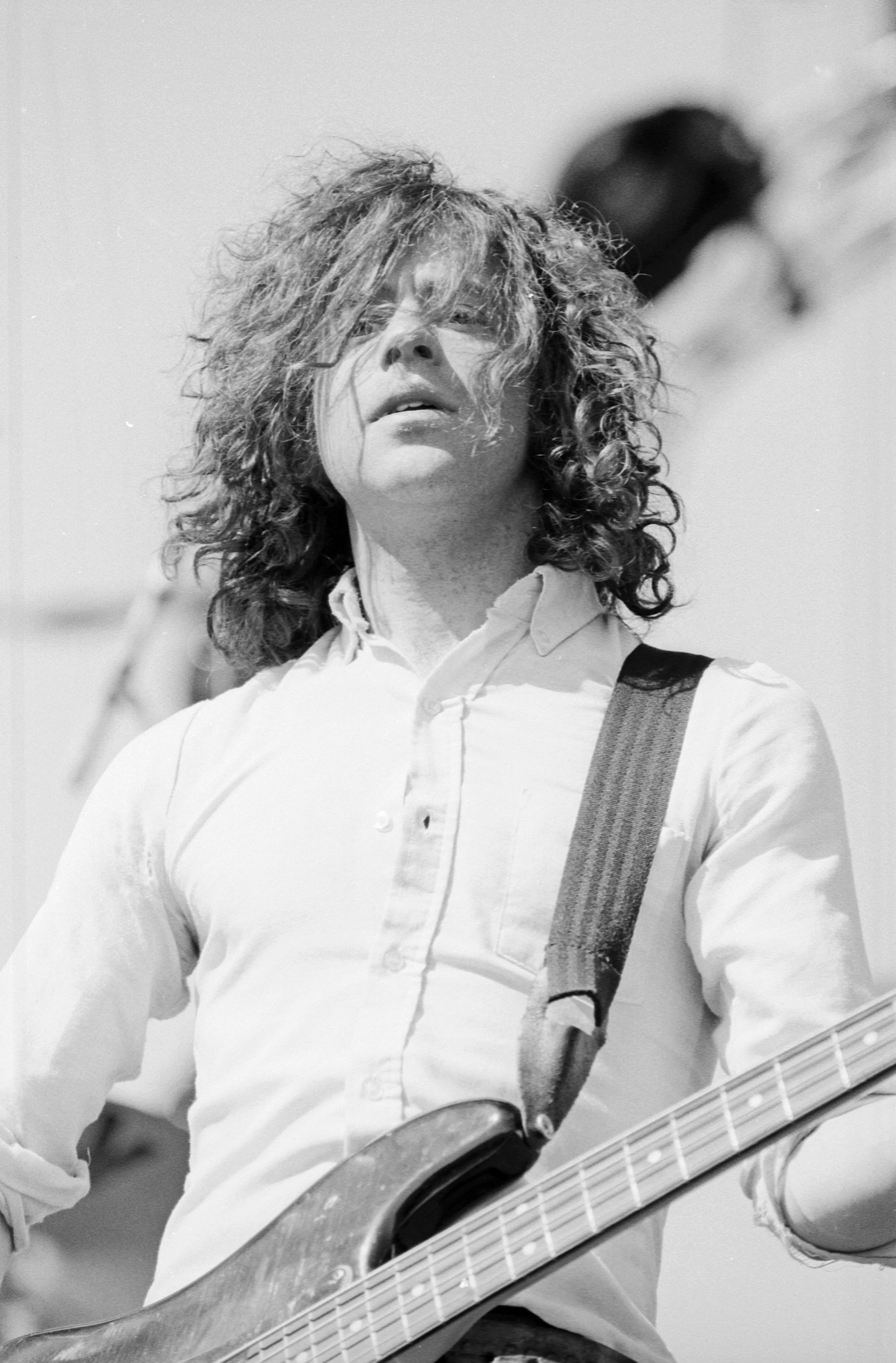
Ted Leo + Pharmacists
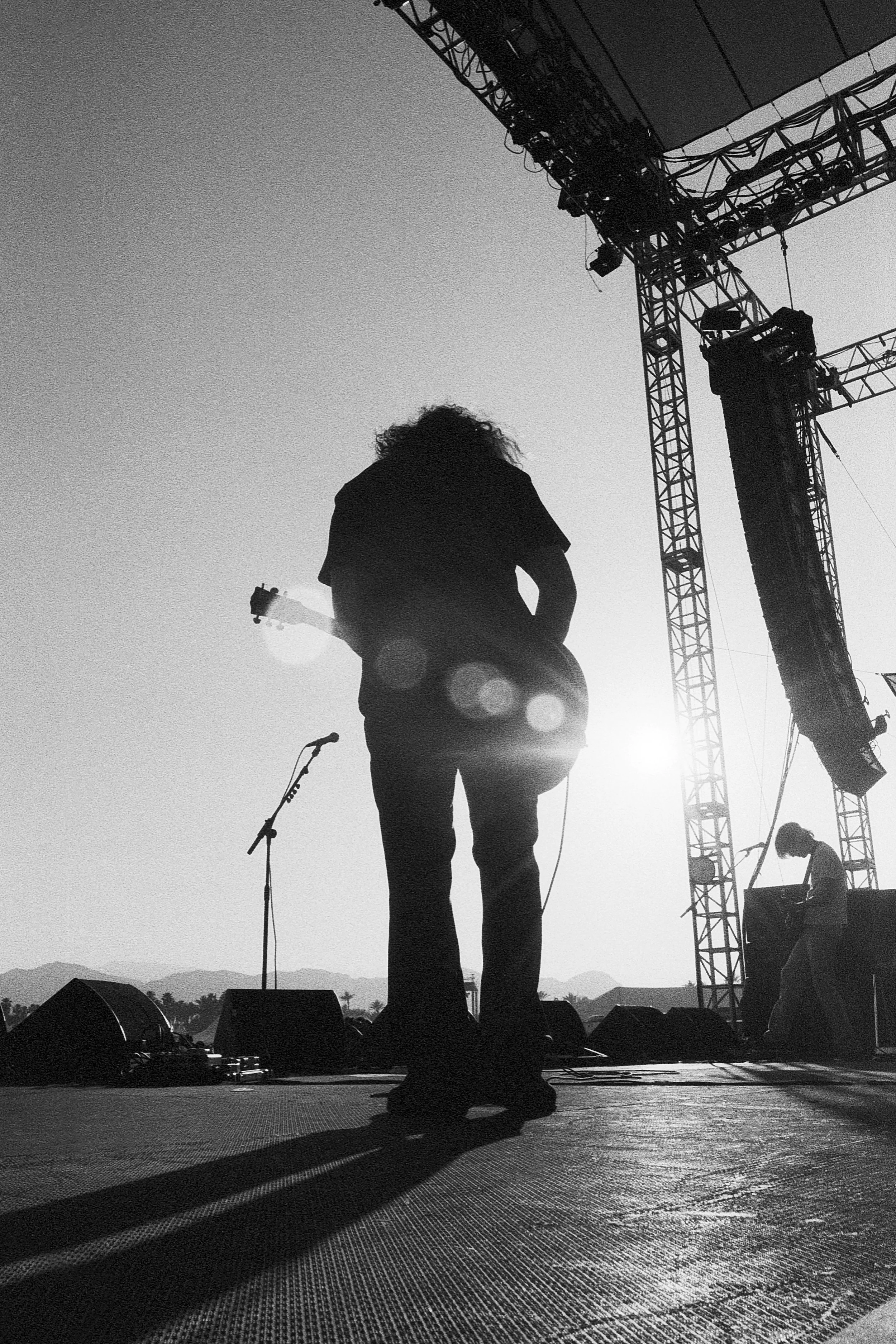
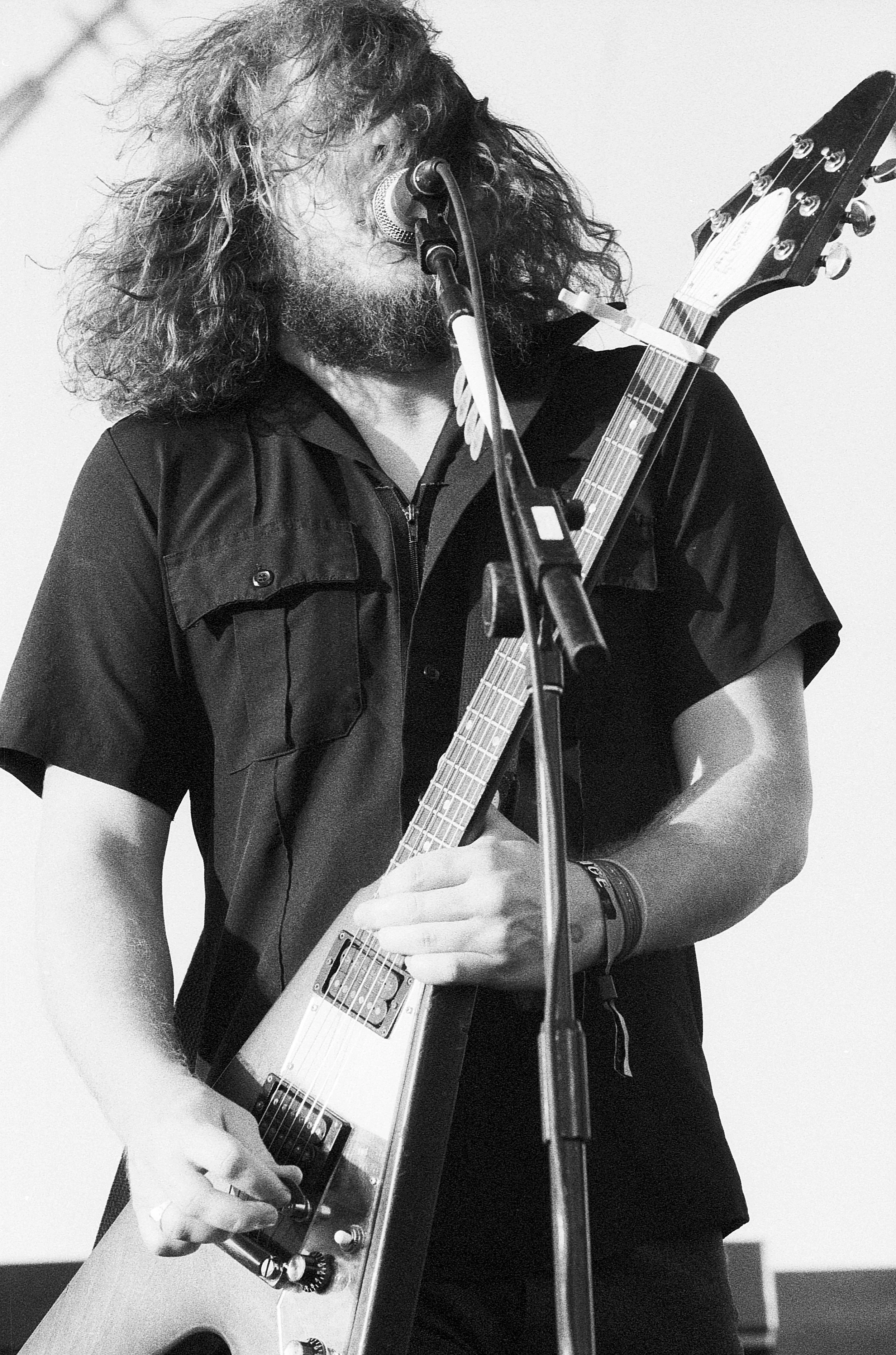
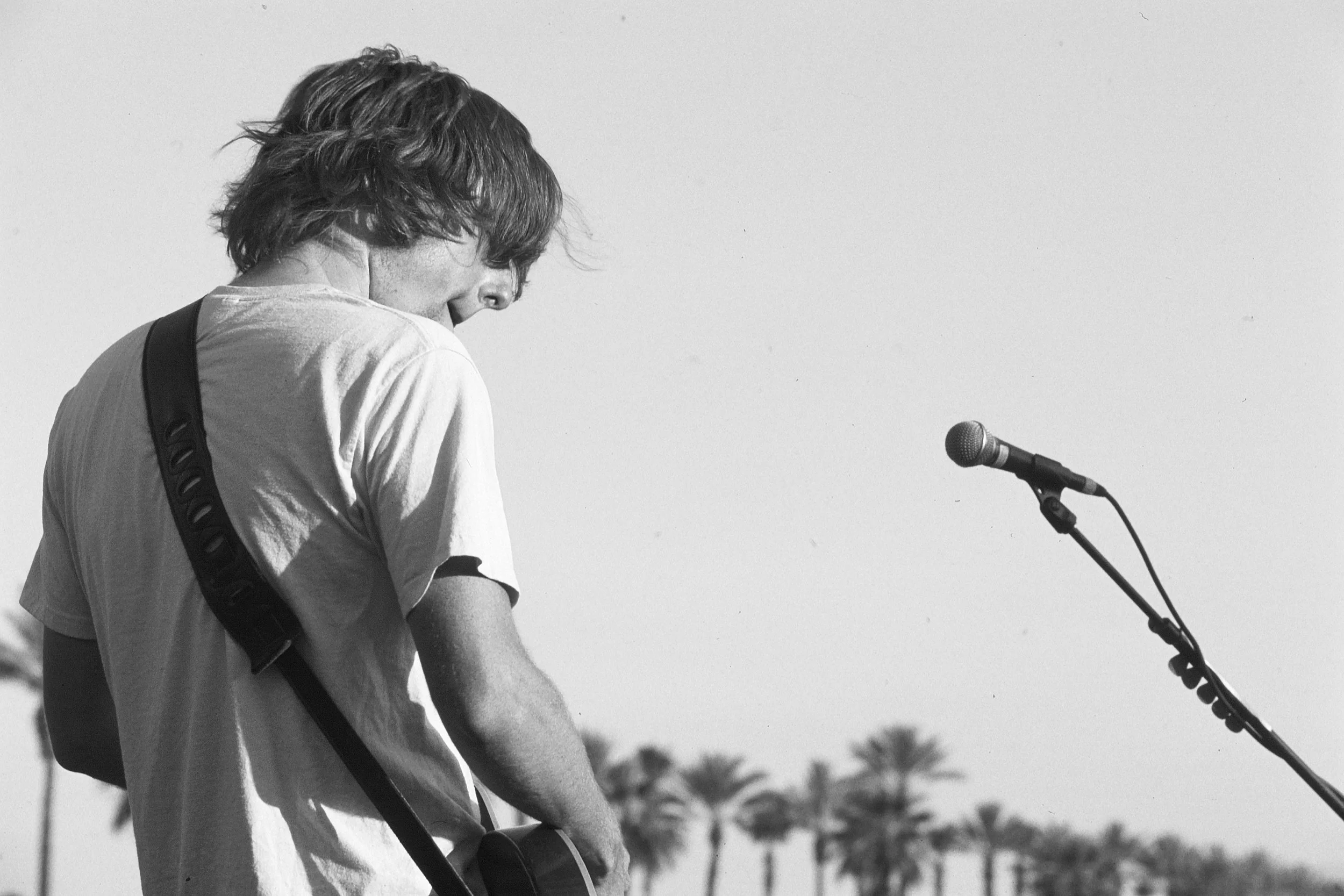
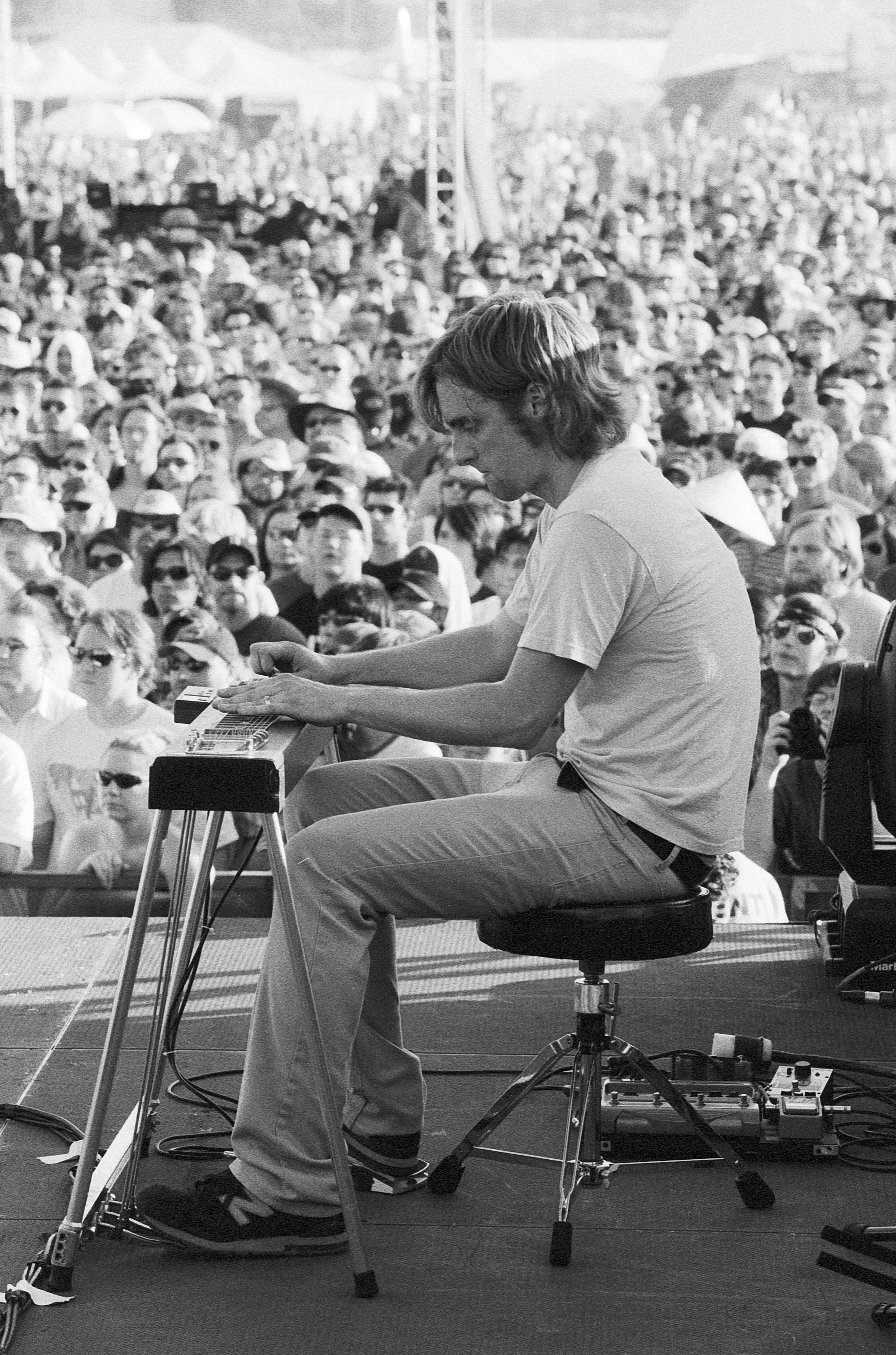
My Morning Jacket
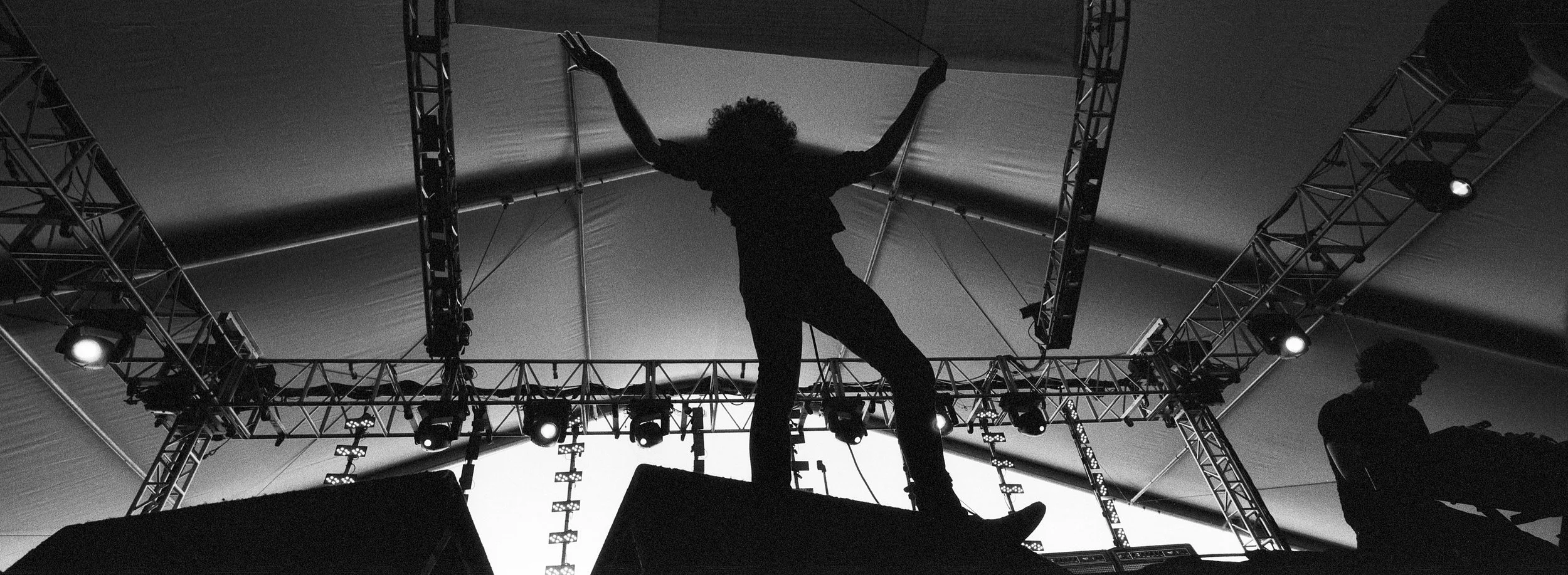
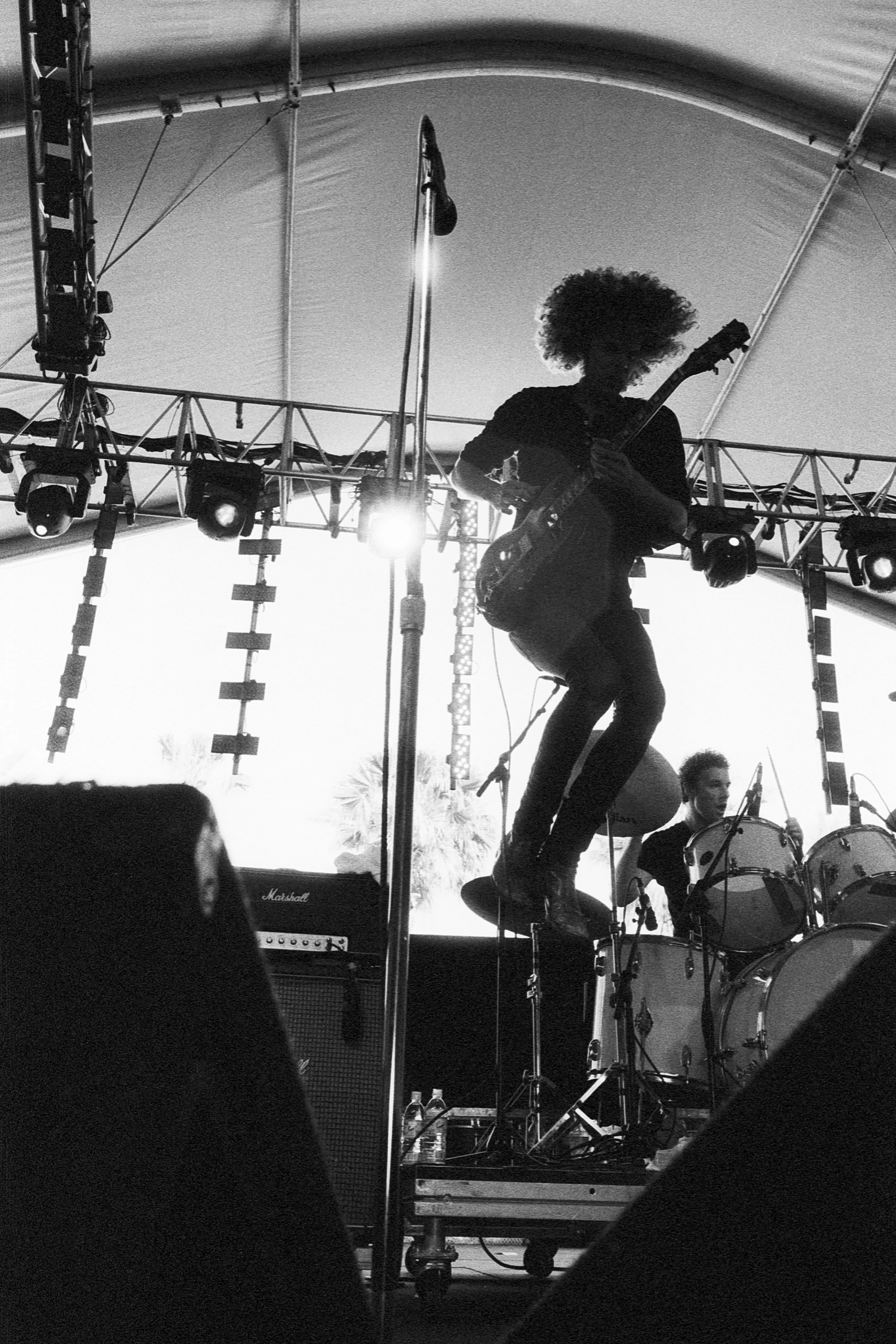
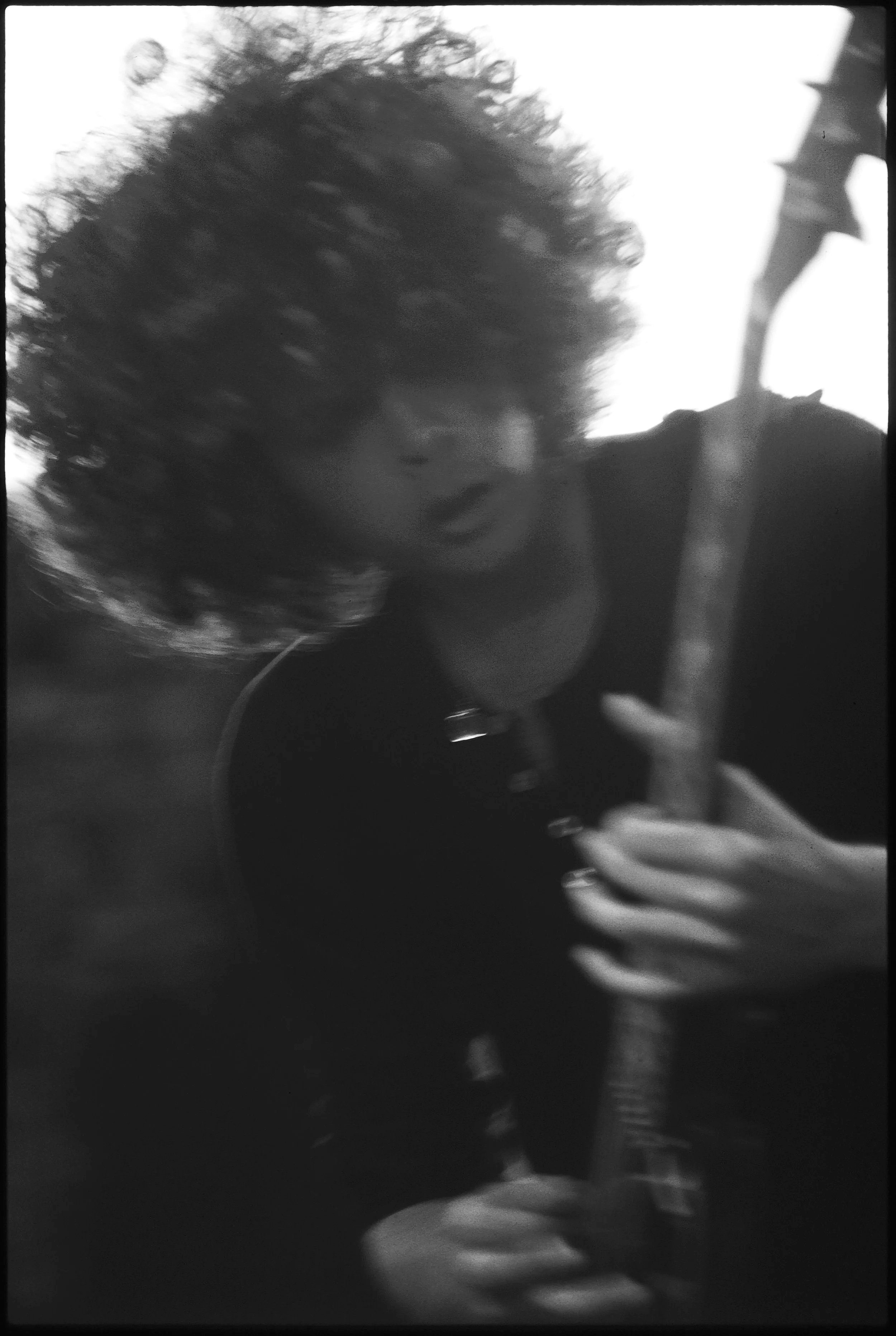
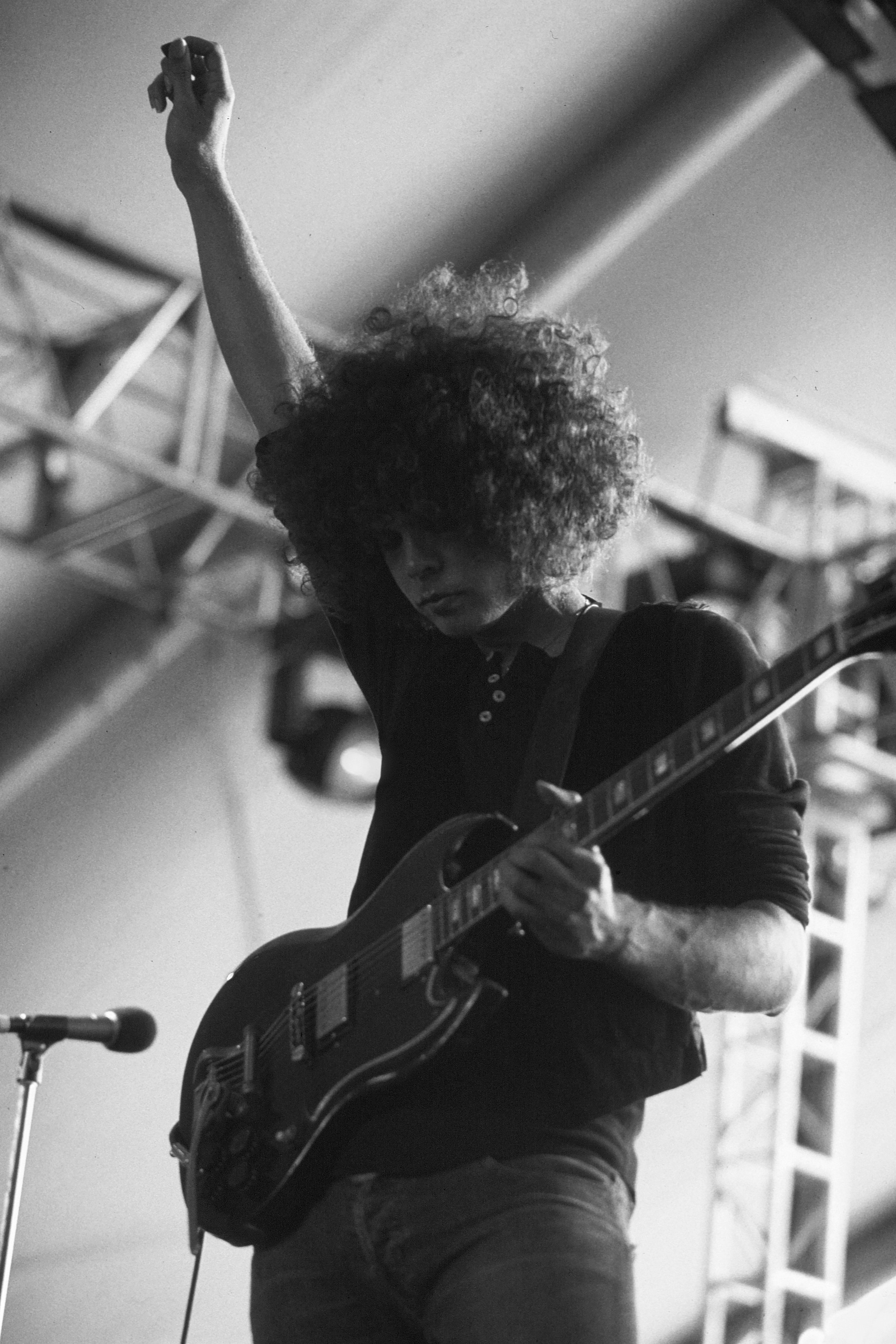
Wolfmother
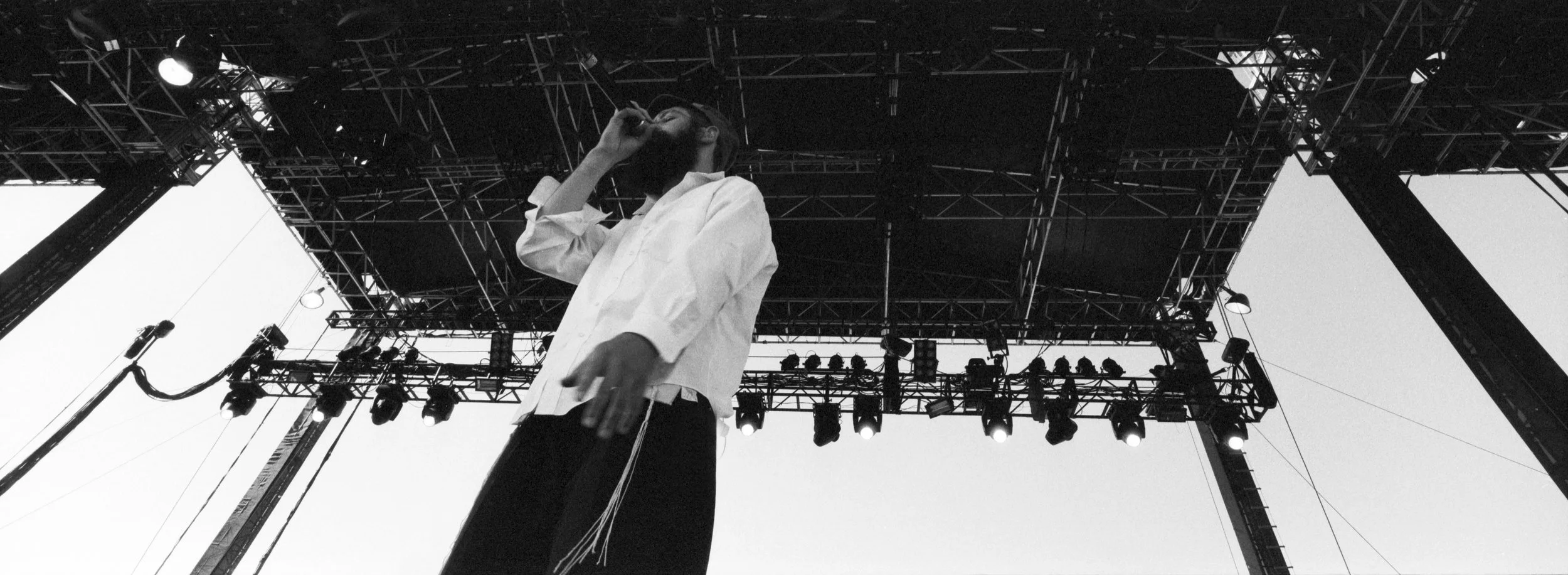
Matisyahu
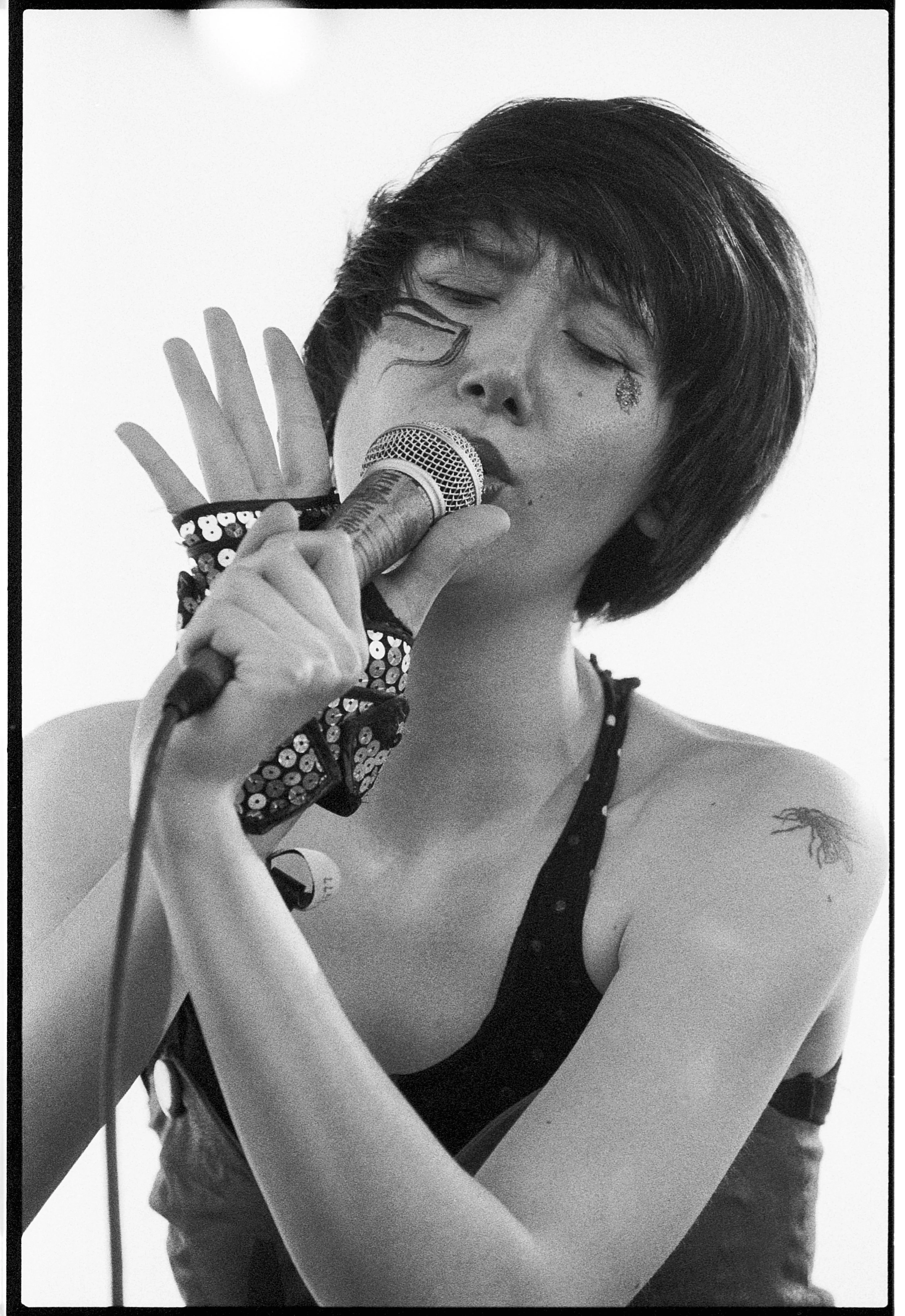
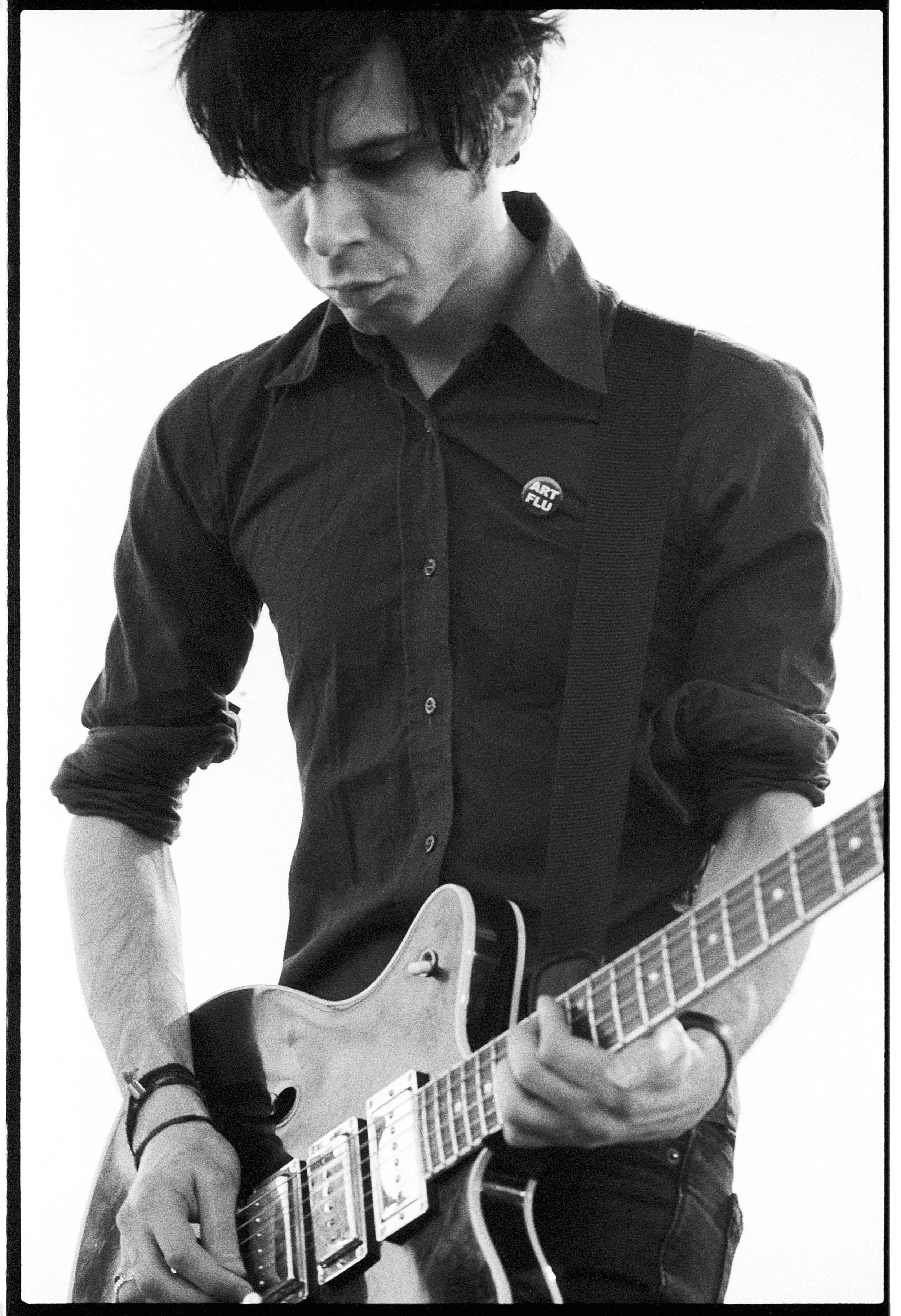
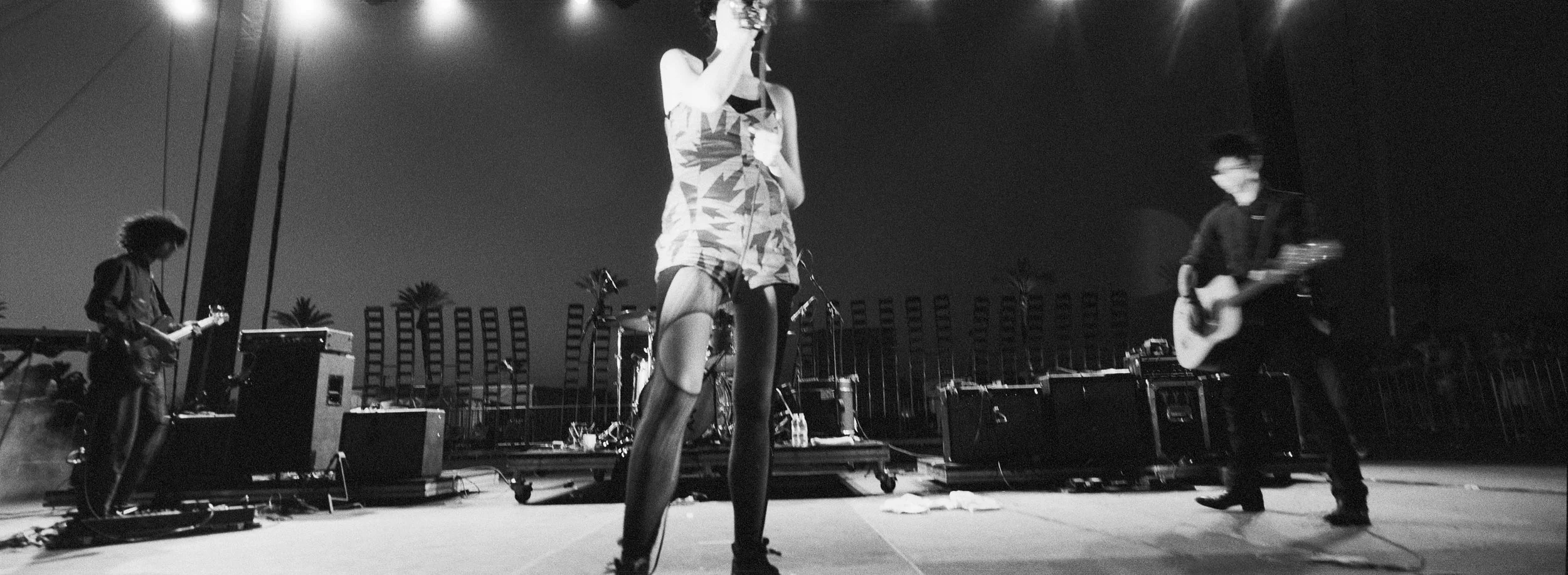
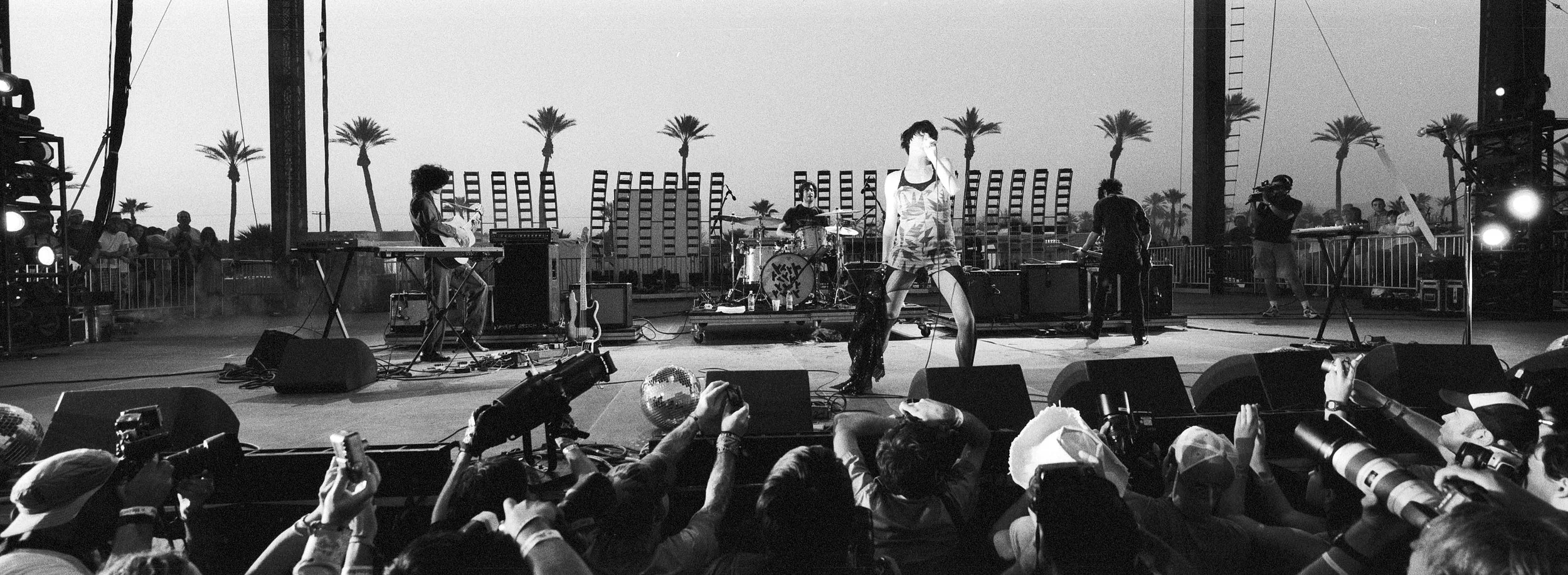
Yeah Yeah Yeahs
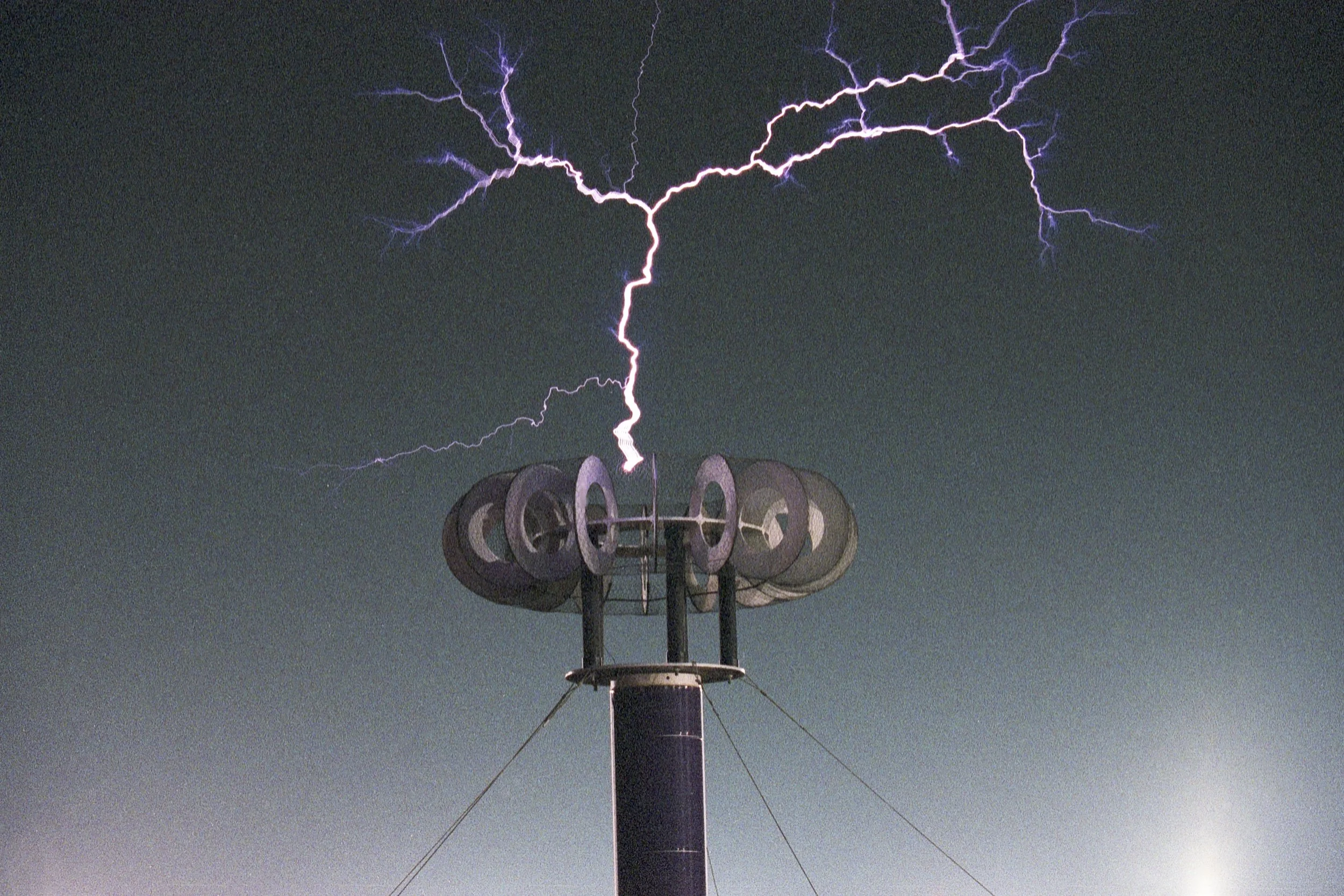
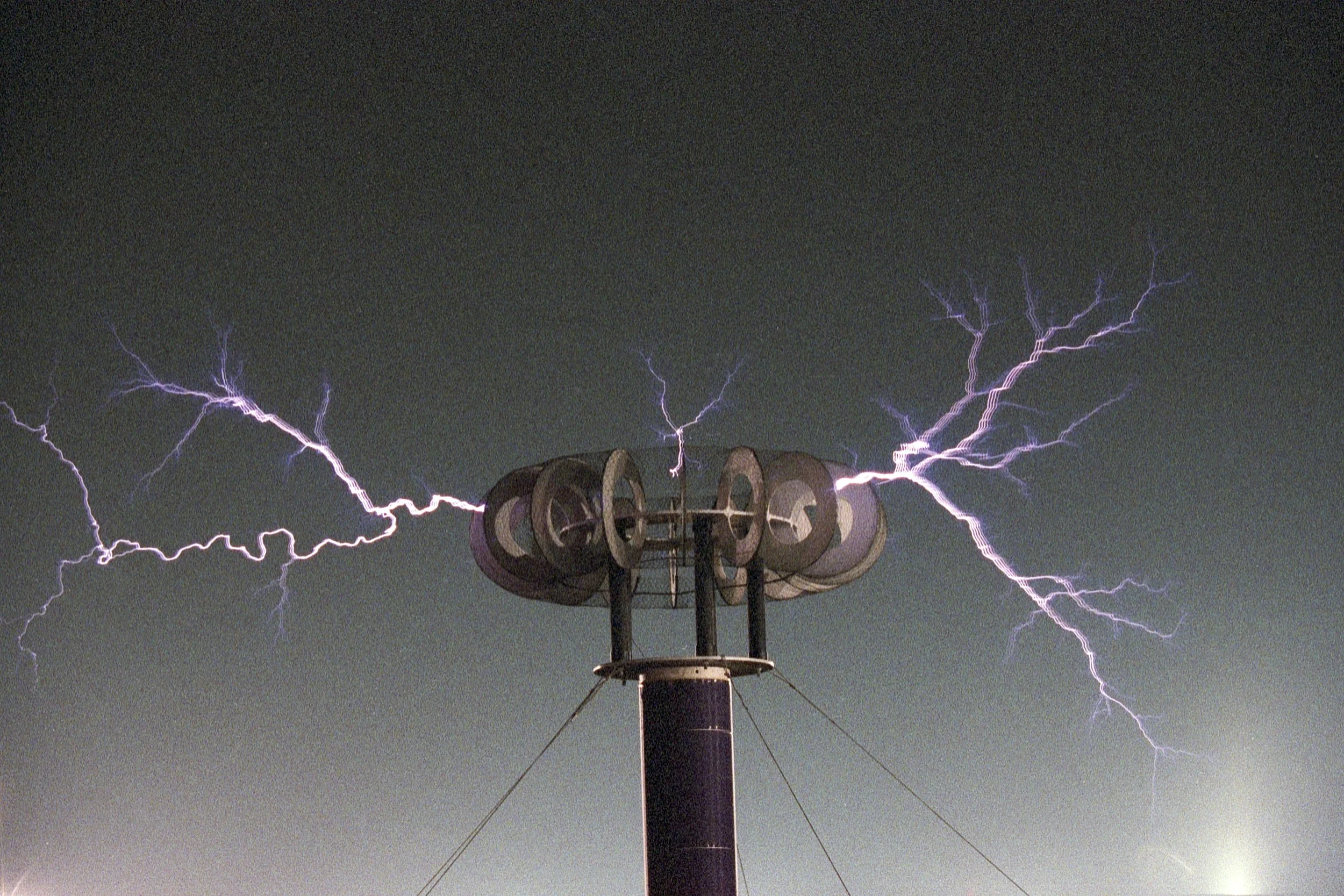
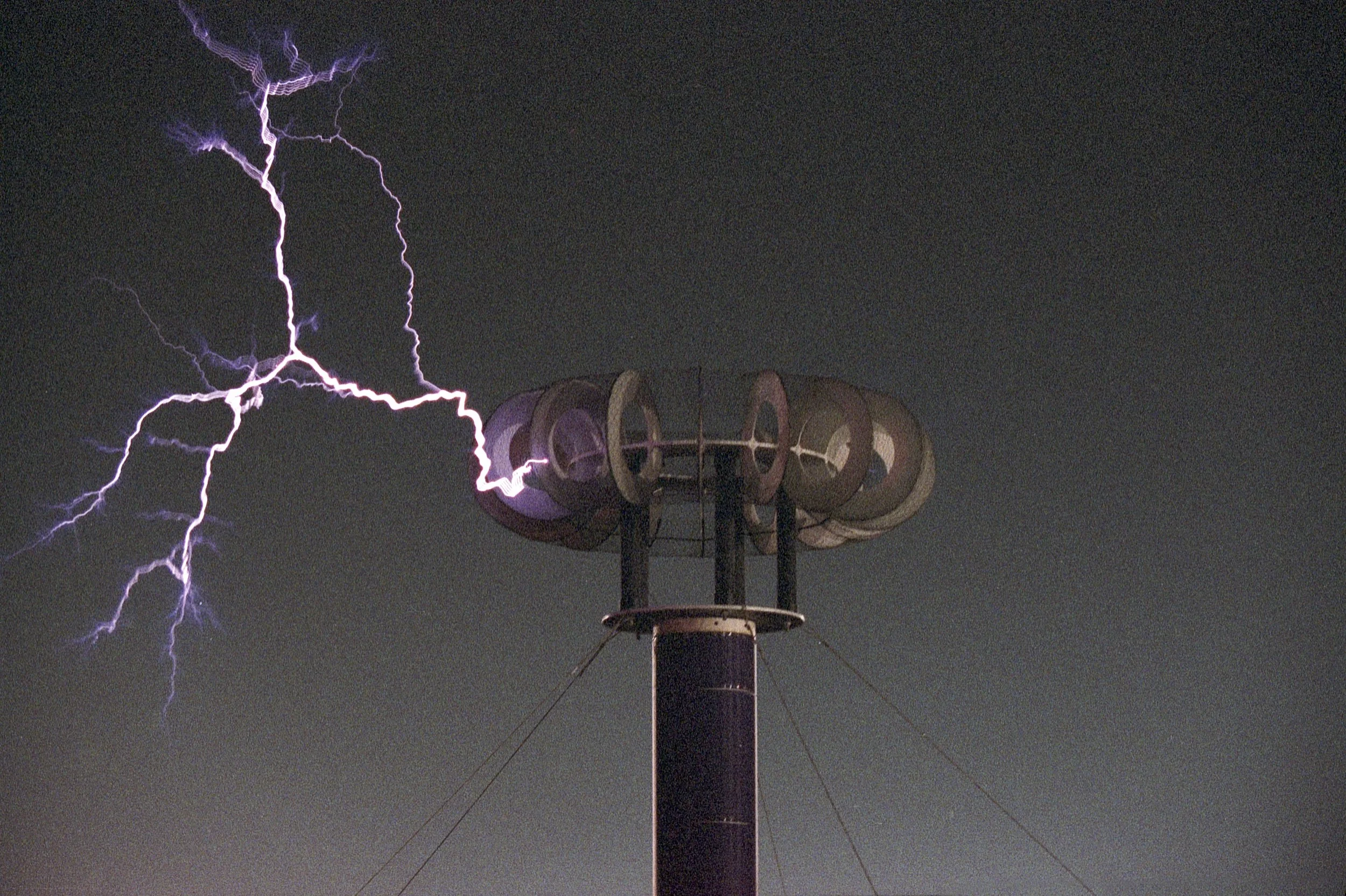
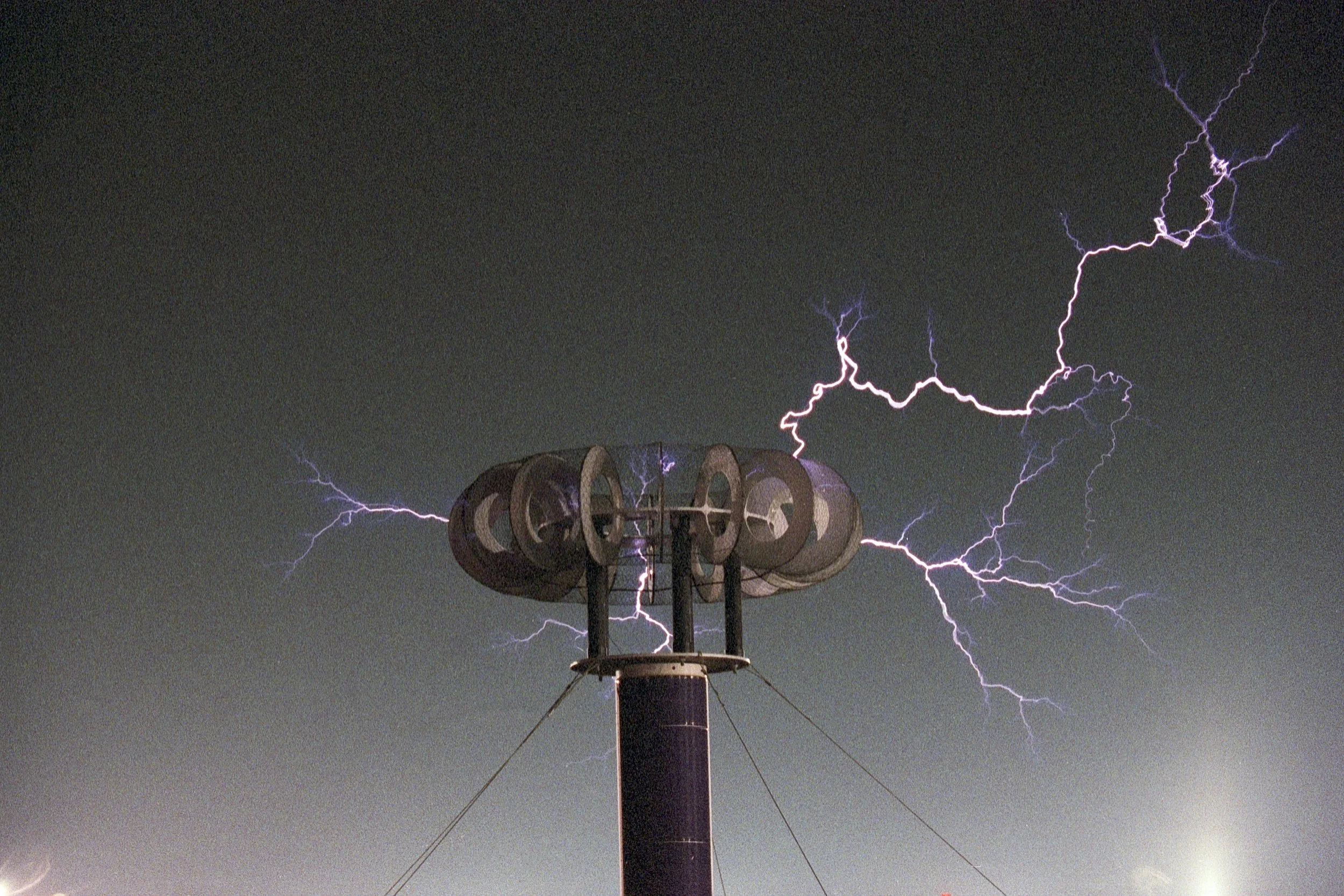
Tesla Coil
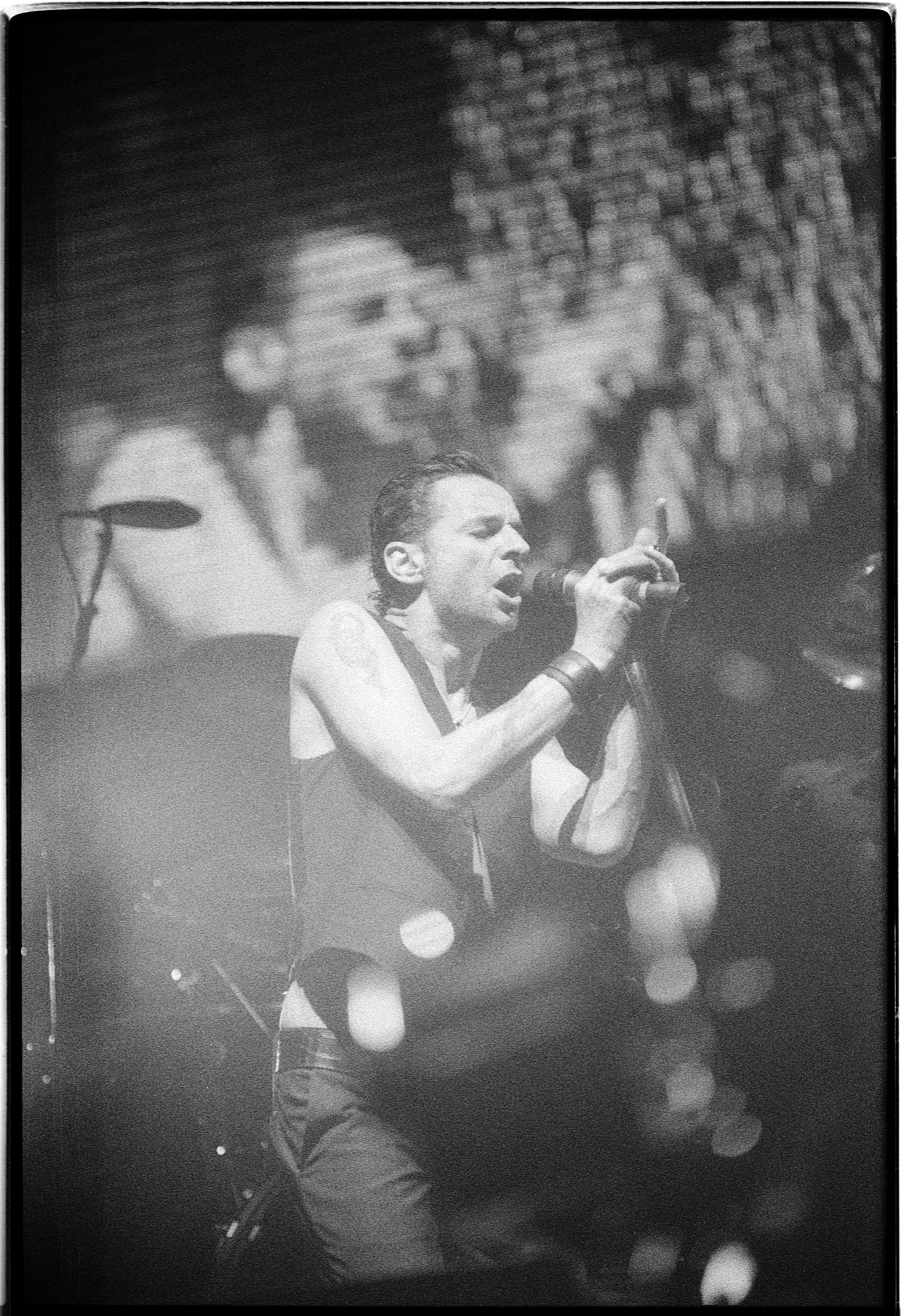
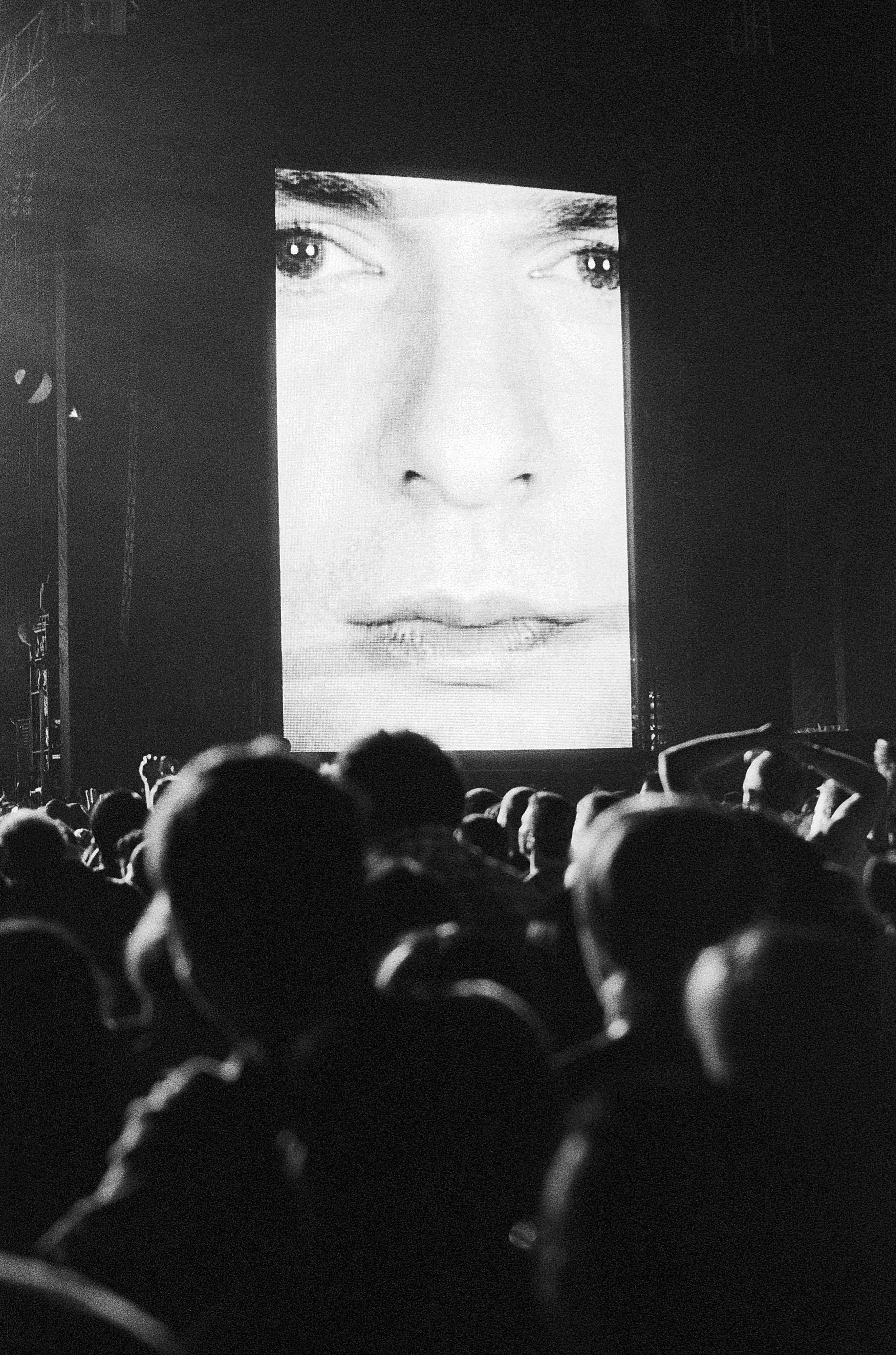
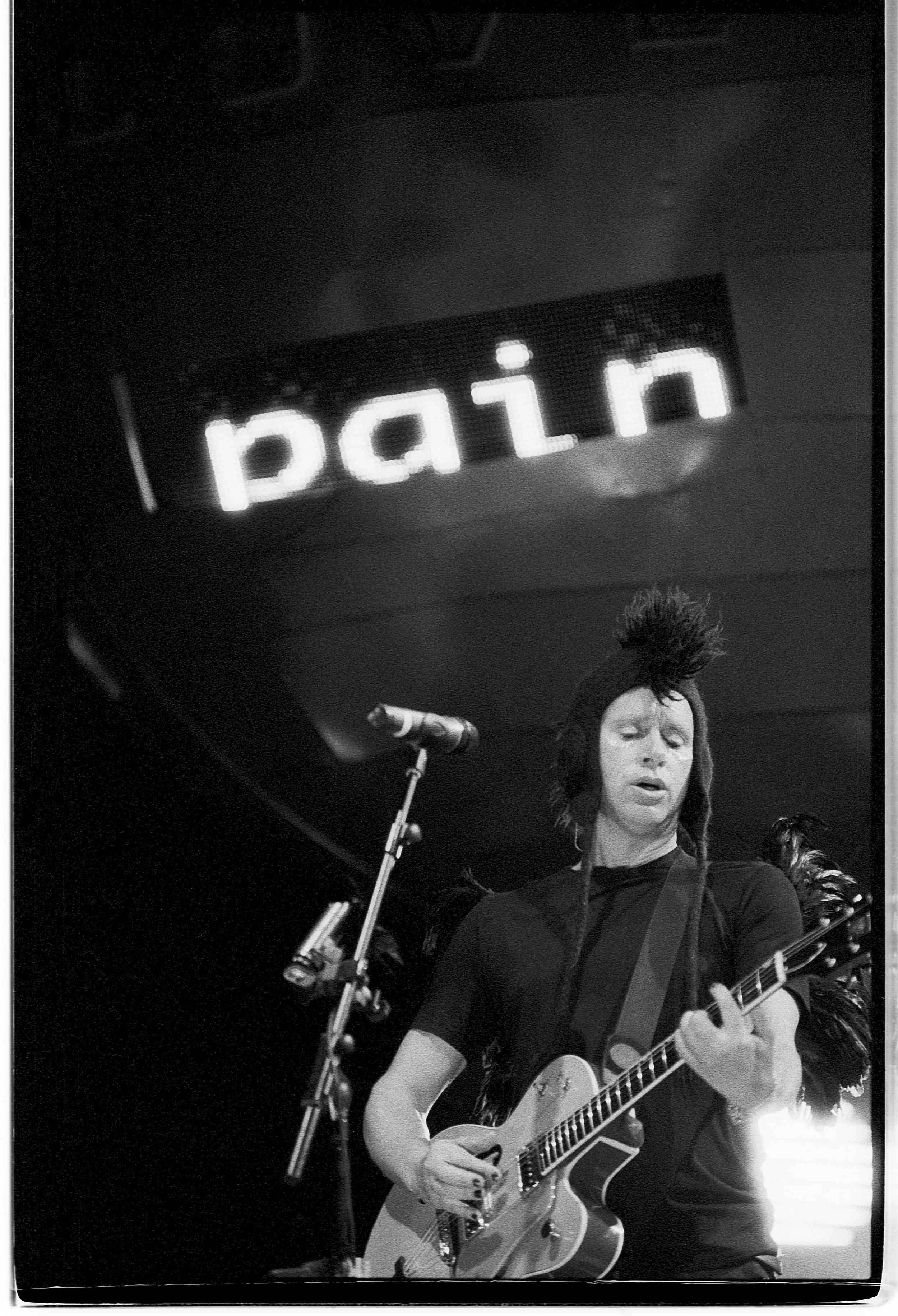
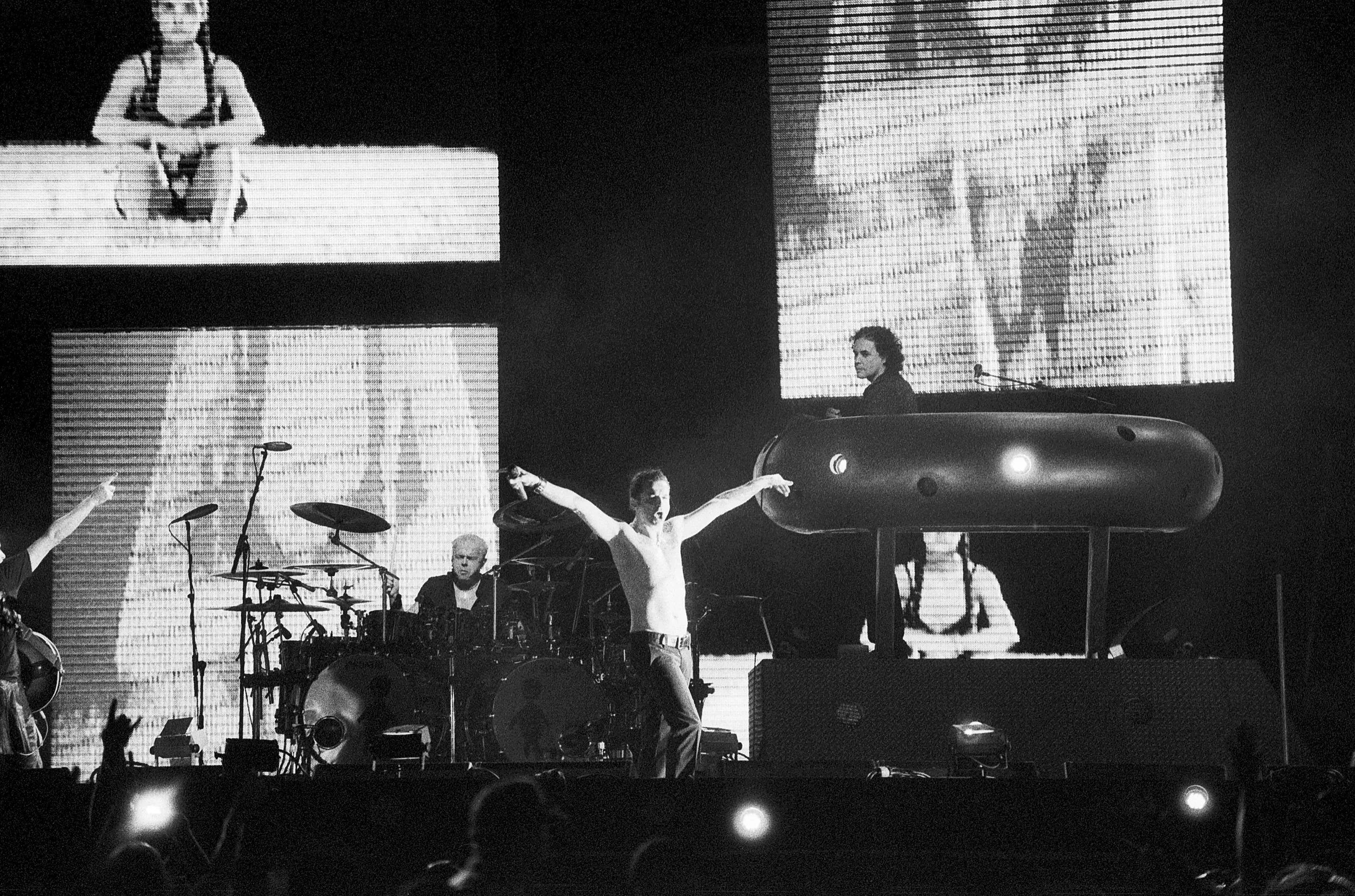
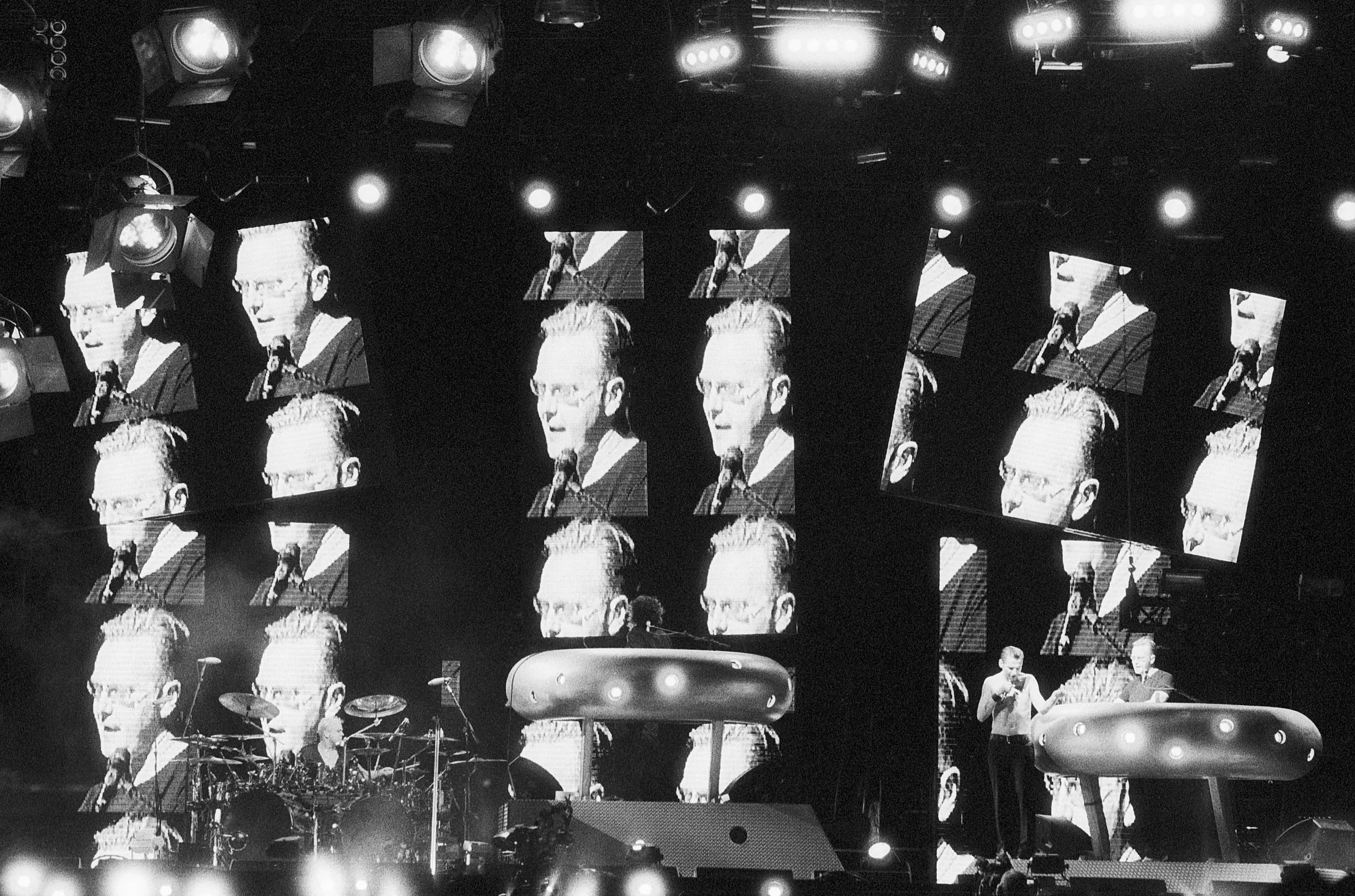
Depeche Mode
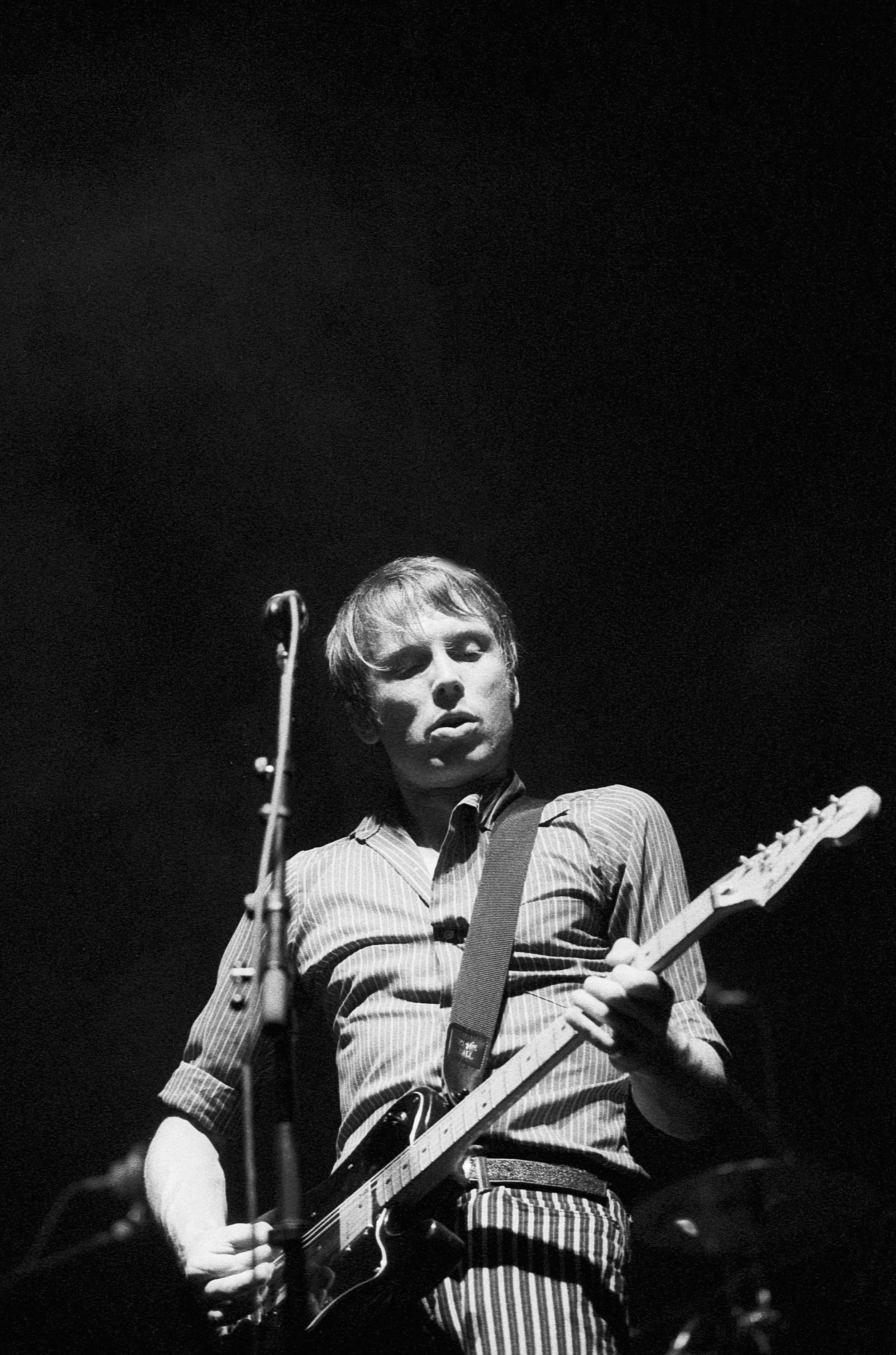
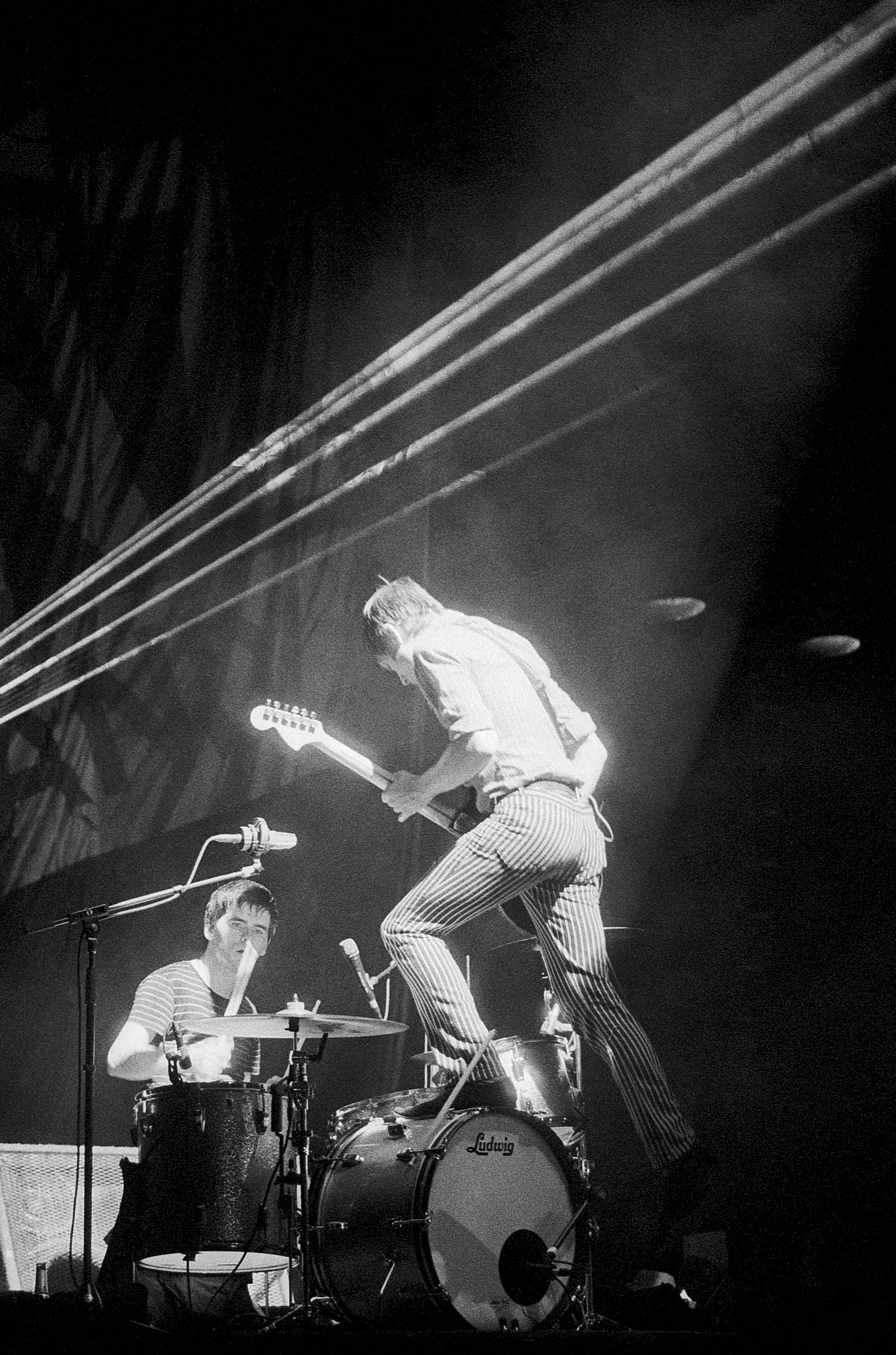
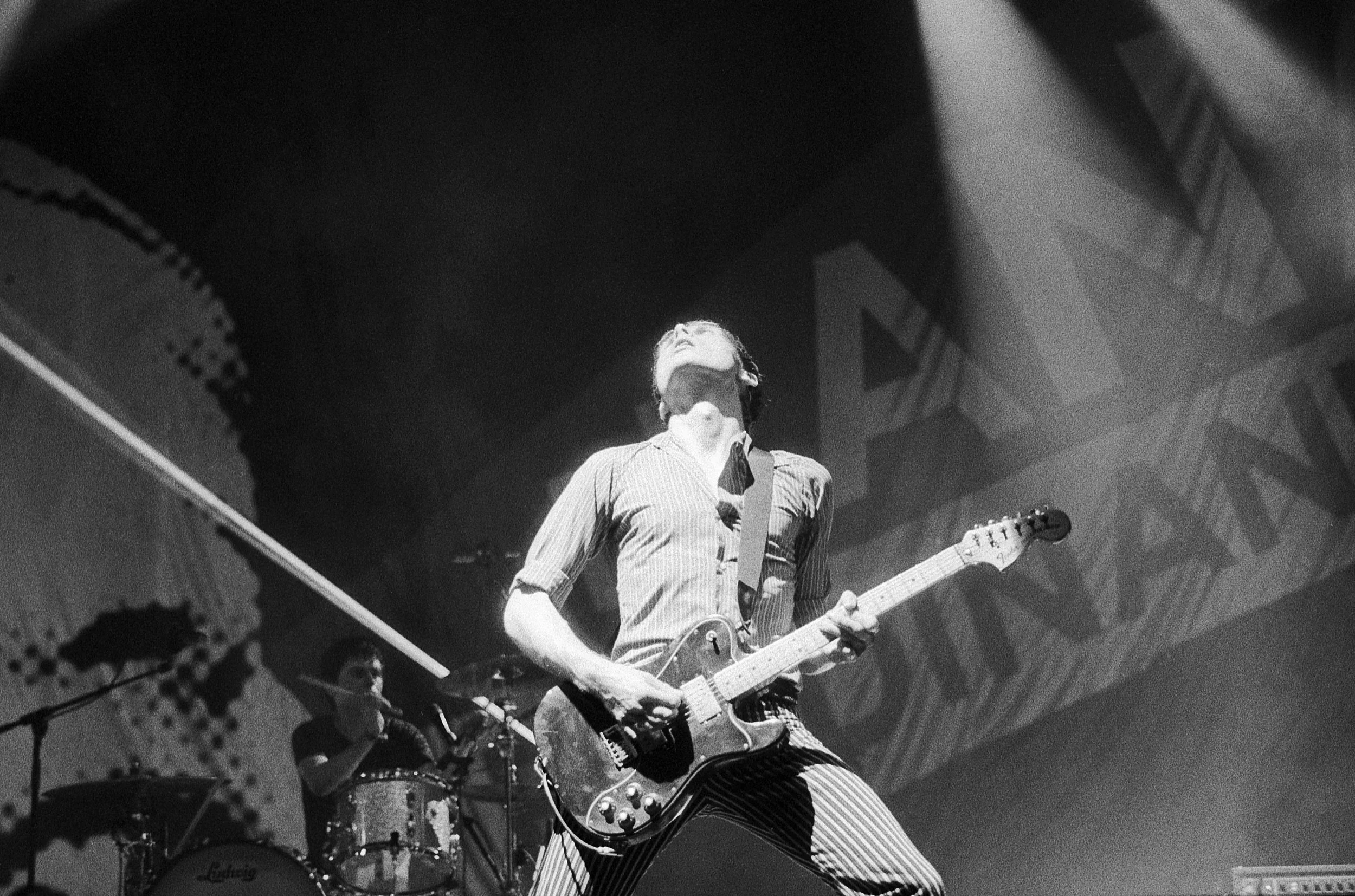
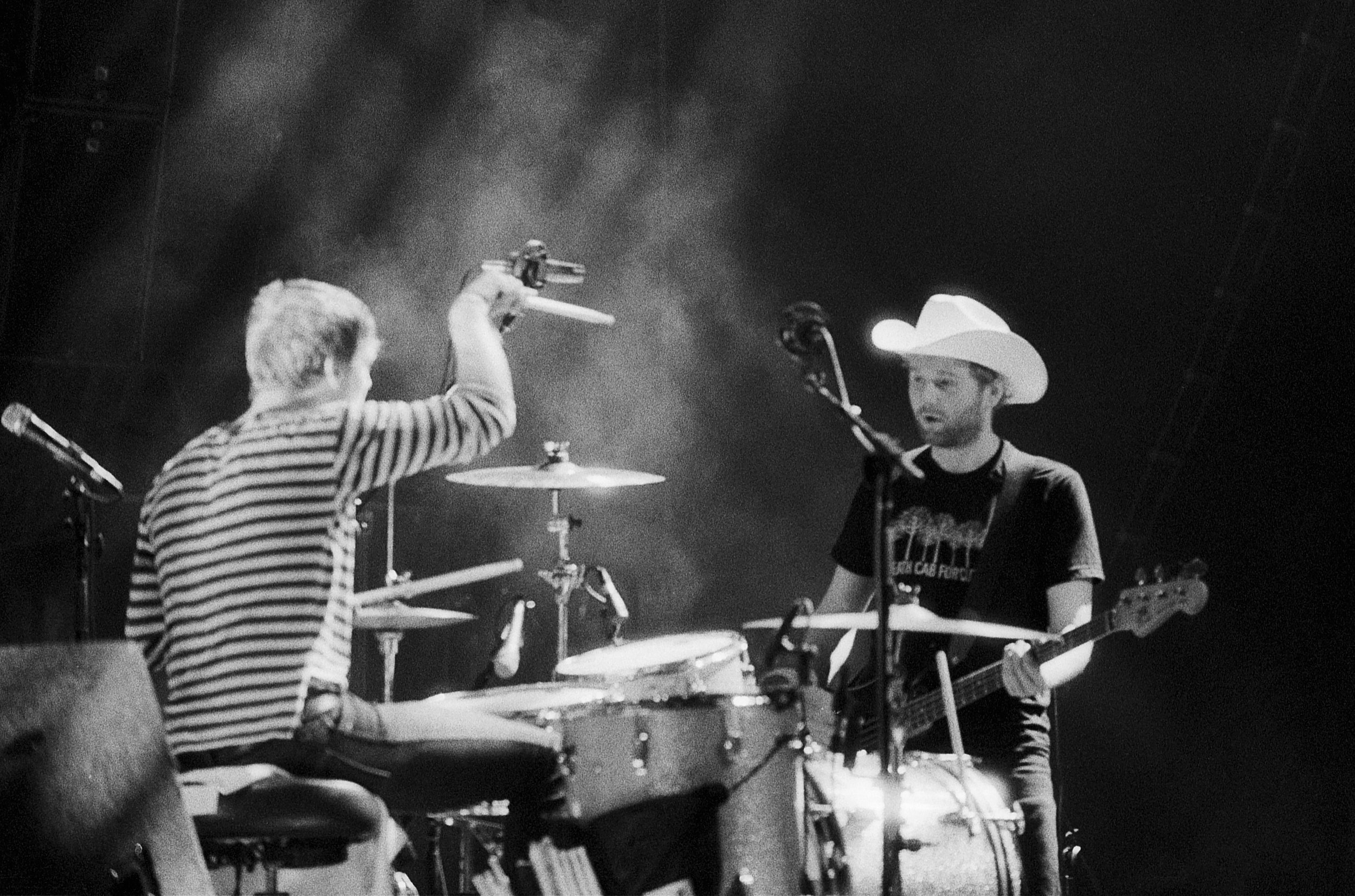
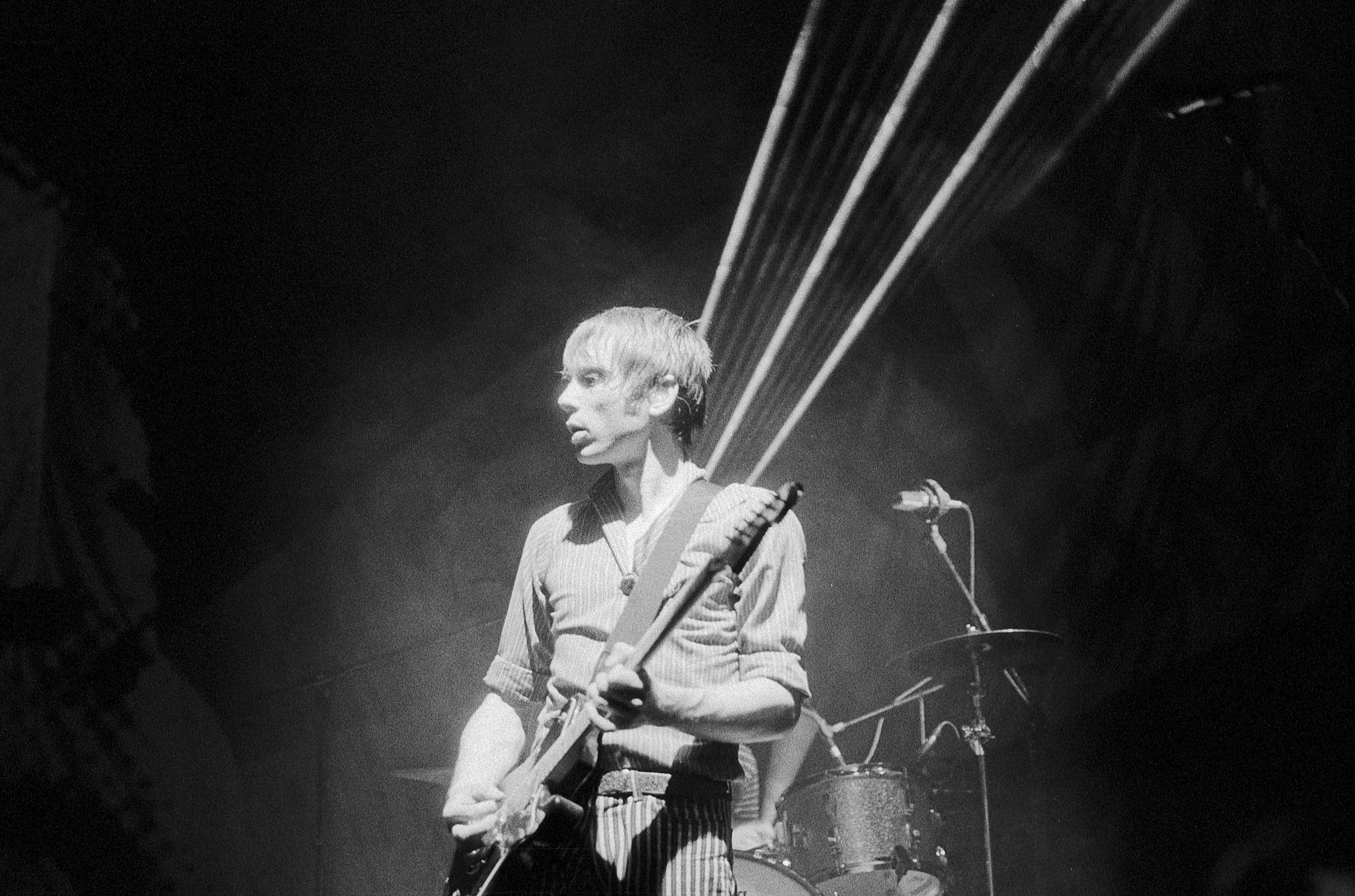
Franz Ferdinand
Daft Punk